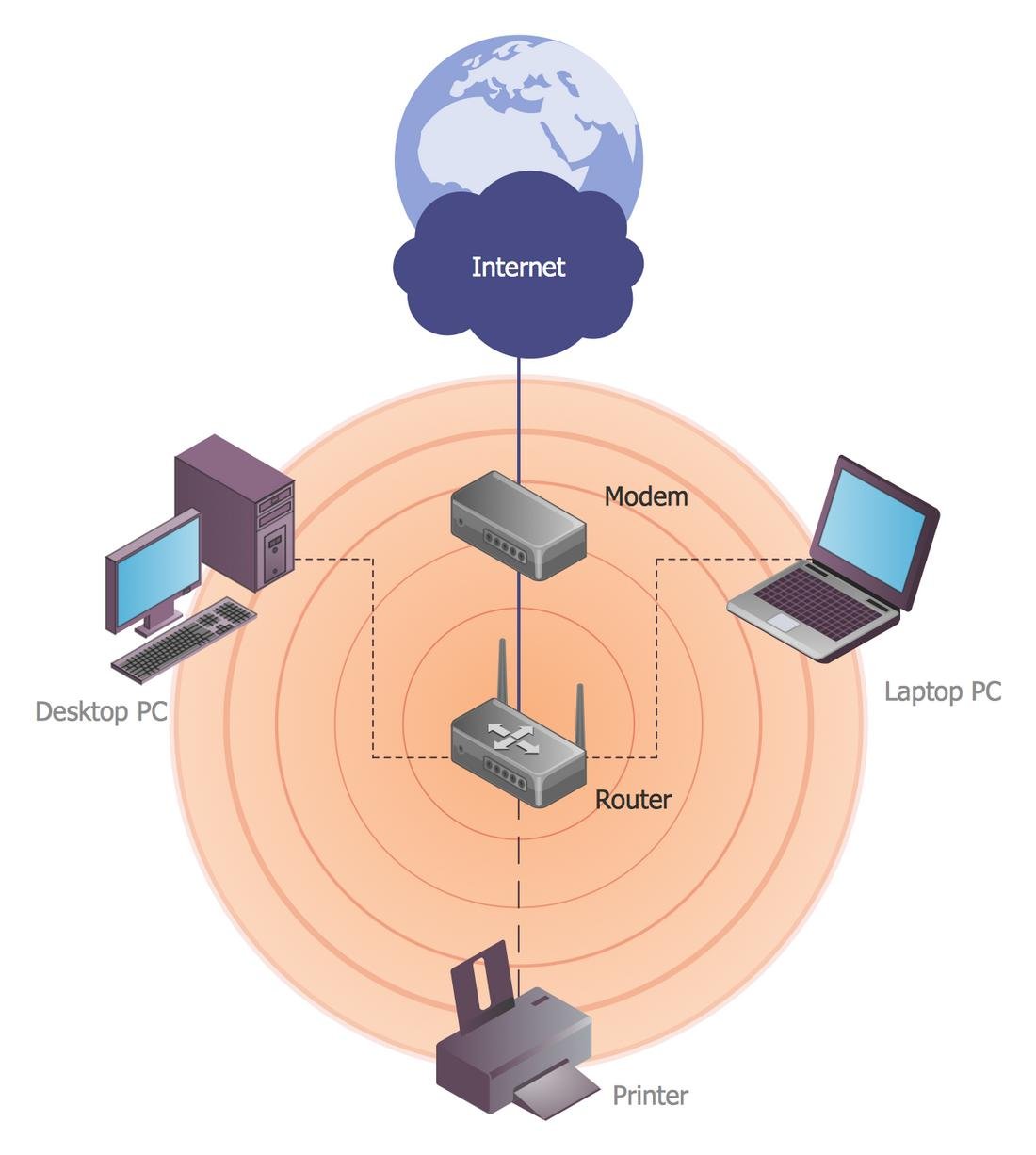
You are setting up a wireless system and facing a critical choice: should you use an omnidirectional or directional antenna? This decision directly impacts your signal coverage, range, and reliability. Many people struggle with this choice because they do not understand how each antenna type works in real situations.
An omnidirectional antenna radiates signals in all directions equally, making it ideal for multi-device coverage in close range. A directional antenna focuses signal in one specific direction, providing stronger, longer-range connections to targeted locations. The best choice depends on your coverage needs, distance requirements, and environment.

Now I will walk you through everything you need to know about these two antenna types. You will learn their core differences, real-world applications, and how to make the right choice for your specific situation. I have helped hundreds of customers solve their antenna problems over the past 17 years, and I want to share that knowledge with you today.
Omnidirectional vs Directional Antennas: Which One Should You Choose?
Your antenna choice impacts every aspect of your wireless system performance. Many customers contact us confused about which antenna suits their needs. They waste time and money testing wrong solutions because they do not understand the fundamental differences between these antenna types.
Choose omnidirectional antennas when you need to serve multiple devices around a central point. Choose directional antennas when you need maximum range to a specific location or when you want to reduce interference from unwanted directions.
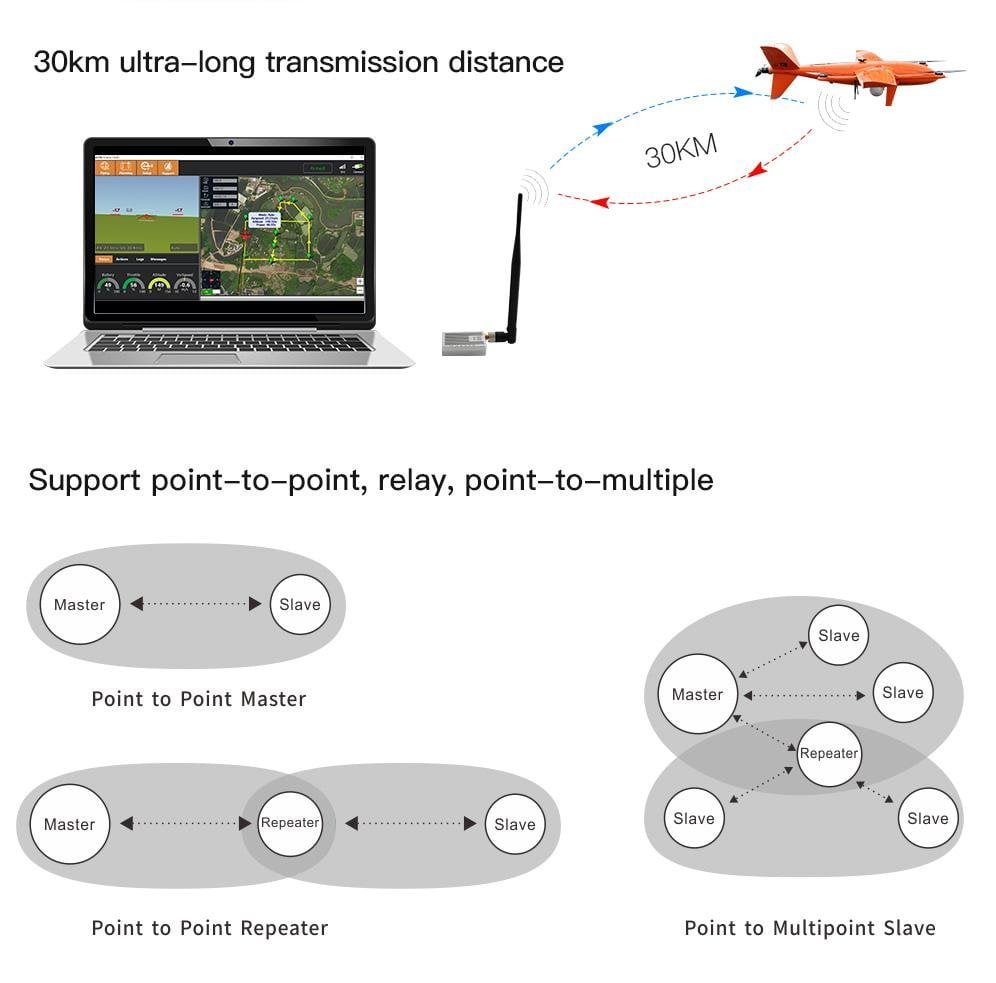
The choice depends on three main factors: coverage pattern, distance requirements, and interference environment. An omnidirectional antenna radiates signal equally in a 360-degree horizontal pattern. This pattern makes it perfect for scenarios where devices are located all around the antenna. Think of it like a light bulb - it illuminates everything around it equally.
A directional antenna focuses signal like a flashlight beam. It concentrates energy in one direction, which gives you two major advantages: longer range and reduced interference. When you point a directional antenna toward your target, you send more signal power in that direction while rejecting noise from other directions.
Let me share a real case from my experience. A drone logistics company came to us with a serious problem. They operated multi-rotor drones in mountainous areas to deliver supplies. Their flight distances ranged from 15 to 20 kilometers. They needed real-time communication between the drone and ground station for both video transmission and data transfer.
Their original setup used omnidirectional antennas on both the drone and ground station. When the drone turned during flight, the antenna orientation shifted away from the ground station. This caused signal strength to drop dramatically, sometimes losing connection completely. At long distances, the signal became too weak to maintain reliable communication.
Our engineering team recommended a hybrid solution. We installed a high-gain directional antenna at the ground station, pointing it toward the drone flight area. On the drone itself, we kept an omnidirectional antenna to handle attitude changes during flight.
This hybrid approach worked beautifully. The ground station directional antenna provided strong signal transmission toward the drone. The drone's omnidirectional antenna ensured reliable reception regardless of the drone's orientation or roll angle. The system achieved effective communication distance of 12 kilometers with a 99.5% connection success rate throughout entire flights.
The customer was extremely satisfied. This hybrid antenna solution became their standard configuration for all drone communication systems. This case shows that sometimes the answer is not choosing one or the other - it is understanding how each type works and combining them strategically.
| Factor | Omnidirectional | Directional |
|---|---|---|
| Coverage Pattern | 360° horizontal | Focused beam (typically 30-90°) |
| Best Use Case | Central hub serving multiple devices | Point-to-point or long-range links |
| Range | Shorter (signal spread in all directions) | Longer (signal concentrated) |
| Interference Rejection | Low (receives from all directions) | High (receives only from targeted direction) |
| Installation Complexity | Simple (no precise aiming needed) | More complex (requires careful aiming) |
Directional or Omnidirectional Antenna: Which Is Right for Your Network?
Your network topology determines which antenna type delivers better performance. Many network installers make mistakes by using the wrong antenna type. This results in dead zones, poor signal quality, and frustrated users. I have seen companies spend thousands fixing problems that proper antenna selection would have prevented.
Use omnidirectional antennas for access points serving mobile clients in open areas. Use directional antennas for backhaul links, bridging buildings, or covering long corridors. Your network layout tells you which antenna type fits best.
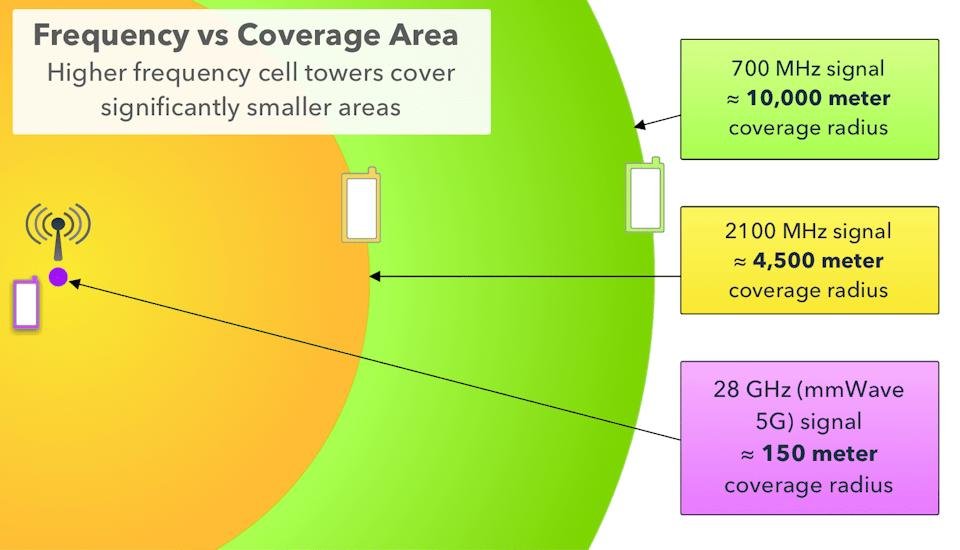
Let me explain how network design influences antenna choice. In a typical office environment, you have multiple devices connecting to access points from various directions. Employees move around with laptops, tablets, and phones. They need coverage everywhere. An omnidirectional antenna at the center provides even coverage to all areas.
But consider a different scenario. You need to connect two buildings that are 500 meters apart. Devices in each building need network access, but you want to link the buildings wirelessly. Here, directional antennas on both buildings work much better. They create a strong point-to-point link that focuses all signal energy on the connection between buildings.
The same principle applies to outdoor networks. If you install WiFi in a park or stadium, you use omnidirectional antennas mounted on poles to serve devices all around. But if you need to provide internet to a remote cabin from your main house, directional antennas create a focused link between the two locations.
Network interference also plays a role. In crowded urban areas, WiFi signals from neighboring networks cause interference. A directional antenna reduces this problem because it rejects signals from sides and back. You receive mainly from the direction you point it. This improves signal-to-noise ratio and overall performance.
For mesh networks, the strategy changes again. Mesh nodes communicate with multiple other nodes, so they often benefit from omnidirectional antennas. However, backhaul connections between mesh clusters might use directional antennas for stronger, more reliable links.
One customer operated a warehouse with a long, narrow layout. They initially installed omnidirectional antennas at each end. Coverage in the middle was poor because signal spread in all directions, including outside the building. We replaced them with directional antennas aimed down the length of the warehouse. Coverage improved dramatically, and they reduced the number of access points needed from four to two.
| Network Type | Recommended Antenna | Reason |
|---|---|---|
| WiFi Access Point (indoor) | Omnidirectional | Serves devices in all directions around the AP |
| Building-to-Building Link | Directional (both ends) | Maximizes range and reduces interference |
| Outdoor Coverage (park, stadium) | Omnidirectional | Provides even coverage in open areas |
| Long Corridor or Hallway | Directional | Focuses signal along the length of corridor |
| Point-to-Multipoint (WISP) | Sectoral (type of directional) | Serves multiple clients in a specific sector |
| Mesh Network Nodes | Omnidirectional | Maintains connections with multiple nodes |
Omnidirectional vs Directional WiFi Antenna: Key Differences Explained
WiFi antennas have specific characteristics that make omnidirectional and directional types behave differently. Understanding these technical differences helps you predict how each antenna performs in your WiFi network. I explain these concepts to customers daily, so let me break them down in simple terms.
Omnidirectional WiFi antennas provide horizontal 360° coverage but limited vertical spread. Directional WiFi antennas concentrate signal in a narrow beam, increasing gain and range. Omnidirectional antennas typically offer 2-9 dBi gain, while directional types range from 8-30+ dBi.
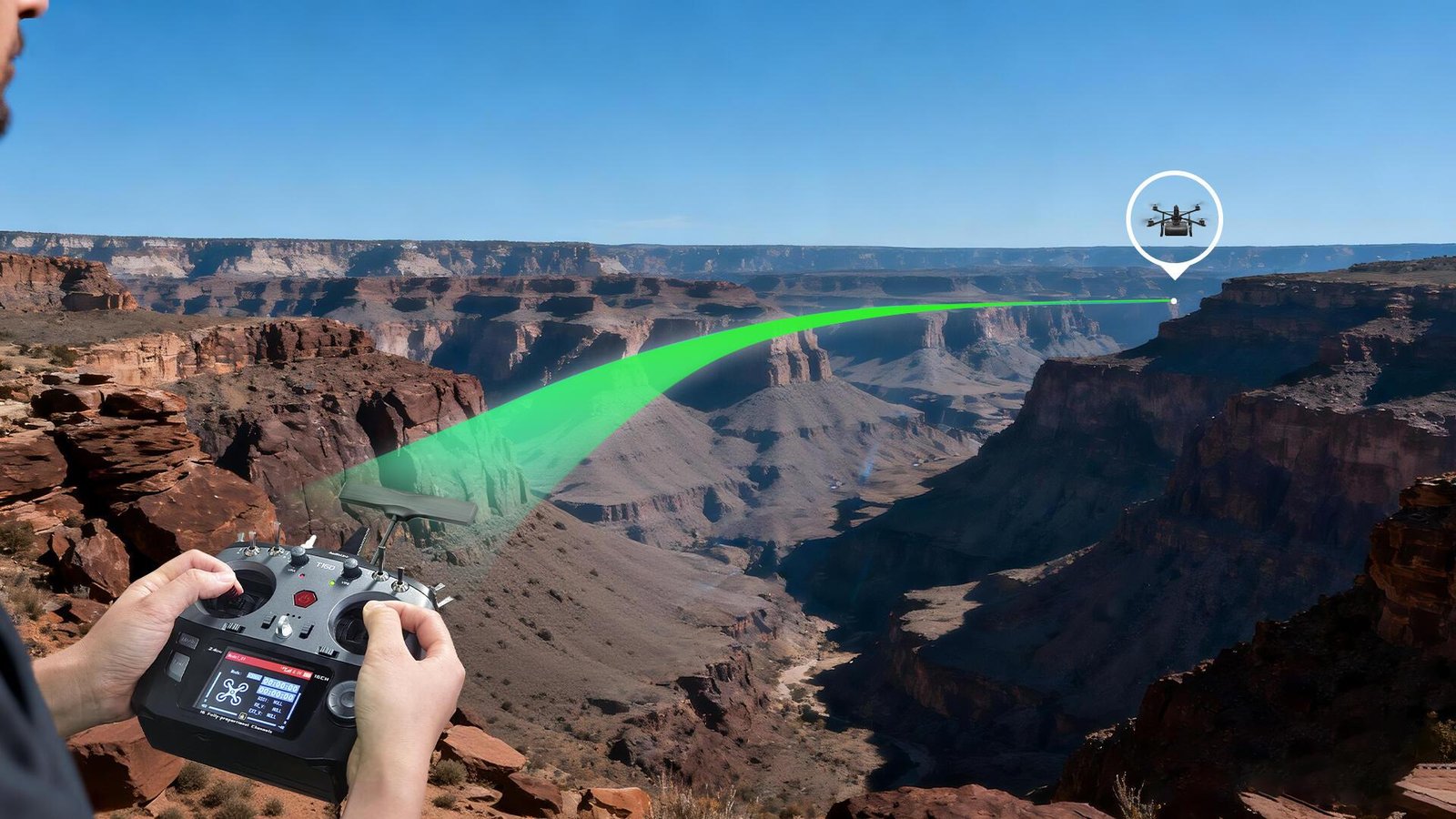
Gain is a critical specification. Higher gain means the antenna concentrates signal more effectively. For omnidirectional antennas, increasing gain does not make the signal reach out further in all directions equally. Instead, it flattens the vertical pattern. A high-gain omnidirectional antenna creates a disc-shaped coverage pattern rather than a sphere.
Think of it this way: you have a fixed amount of signal energy. An omnidirectional antenna spreads it in a circle. When you increase gain, you squeeze that circle vertically while stretching it horizontally. A 2 dBi omnidirectional antenna has a relatively round pattern. A 9 dBi omnidirectional antenna has a flat, disc-like pattern. This works well for covering single floors in buildings but can create dead zones directly above or below the antenna.
Directional WiFi antennas work differently. They concentrate signal in one direction, creating a beam. The beam width varies by antenna design. Panel antennas typically have 60-90 degree beamwidths. Yagi antennas have narrower beams, around 30-50 degrees. Parabolic grid antennas can have beams as narrow as 10-20 degrees.
The narrower the beam, the higher the gain. This is why directional antennas achieve much higher gain values than omnidirectional types. A 24 dBi directional antenna focuses signal into a very tight beam, which can reach targets several kilometers away in clear line-of-sight conditions.
Polarization matters for WiFi antennas too. Most WiFi antennas use vertical polarization. This means the electric field oscillates vertically. For best performance, transmit and receive antennas should have matching polarization. Some directional antennas support dual polarization or cross-polarization to handle different antenna orientations.
VSWR (Voltage Standing Wave Ratio) tells you how efficiently the antenna radiates signal. A lower VSWR means less signal reflects back into the transmitter. Good WiFi antennas have VSWR below 2:1 across their operating frequency bands. Poor VSWR wastes transmitter power and can damage radio equipment.
I remember a customer who bought cheap omnidirectional antennas online for their outdoor WiFi network. They complained about poor range despite the antennas claiming 10 dBi gain. When we tested them, the actual gain was only 4 dBi, and the VSWR was terrible - above 3:1 in some frequencies. We replaced them with quality omnidirectional antennas with verified specifications. Their network range improved by 40%.
One more important point: omnidirectional antennas are easier to install because they do not require precise aiming. You mount them vertically and they work. Directional antennas need careful alignment. You must point them accurately at the target location. Even a few degrees off can significantly reduce signal strength.
| Specification | Omnidirectional WiFi | Directional WiFi |
|---|---|---|
| Typical Gain Range | 2-9 dBi | 8-30+ dBi |
| Horizontal Coverage | 360° | 10-90° (varies by type) |
| Vertical Coverage | Narrows as gain increases | Depends on beam design |
| Installation Difficulty | Easy (no aiming required) | Moderate to difficult (requires aiming) |
| Best for Range | No (signal divided in all directions) | Yes (signal focused on target) |
| Susceptibility to Interference | High (receives from all directions) | Low (receives mainly from aimed direction) |
| Common Use | Access points, routers, mobile devices | Point-to-point links, long-range bridges |
Directional vs Omnidirectional Antennas: Pros, Cons, and Best Uses
Every antenna type has advantages and disadvantages. Knowing these helps you avoid costly mistakes when designing your wireless system. I have seen projects fail because someone chose an antenna based on gain numbers alone without considering practical trade-offs.
Omnidirectional antennas excel at coverage simplicity but sacrifice range and interference rejection. Directional antennas deliver superior range and noise rejection but require careful aiming and serve limited coverage areas. Match antenna characteristics to your specific application requirements.
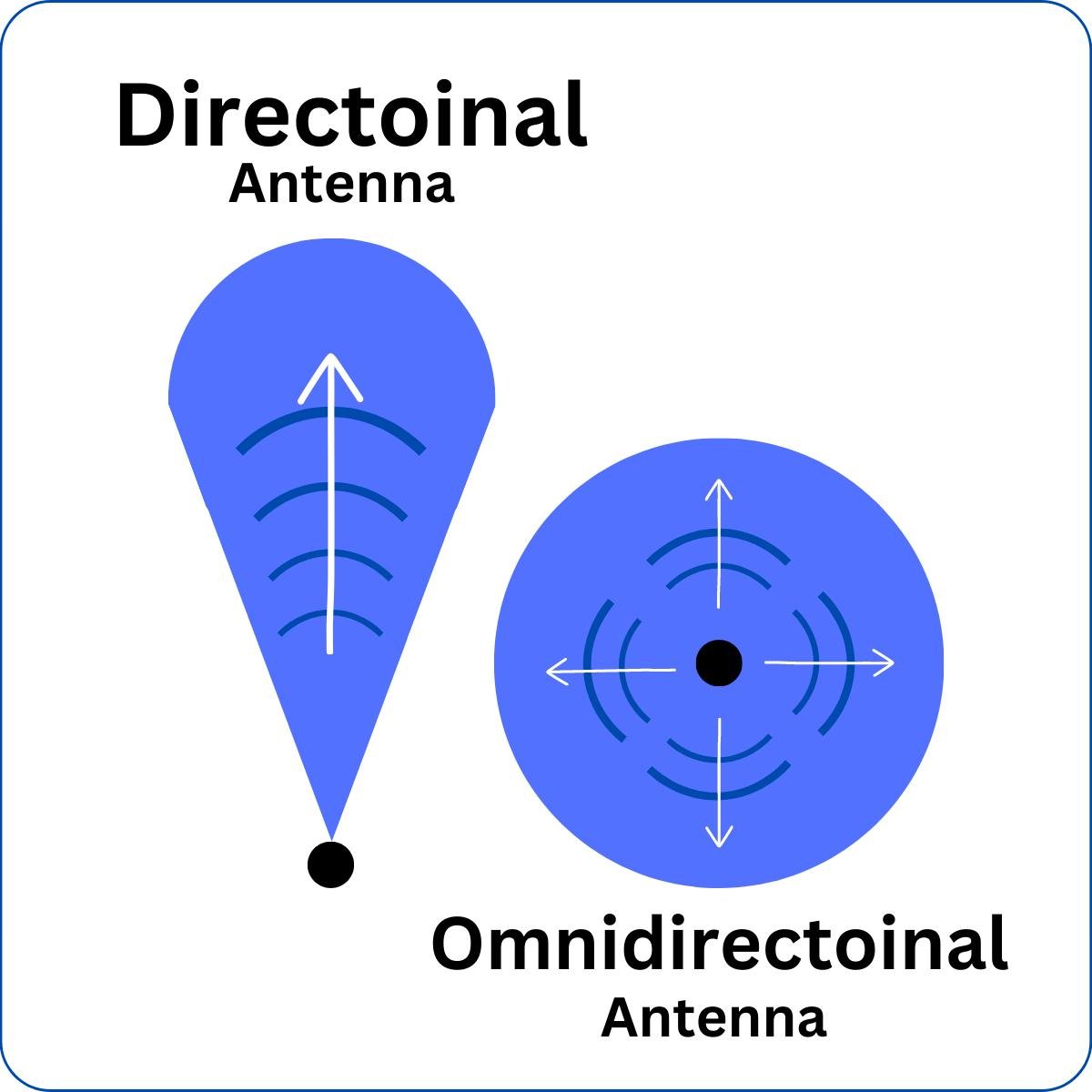
Let me start with omnidirectional antennas. Their biggest advantage is simplicity. You install one omnidirectional antenna and it covers everything around it. You do not spend time aiming or adjusting. This makes installation fast and reduces the chance of mistakes. For indoor access points, this simplicity is valuable because devices connect from many directions.
Omnidirectional antennas also work well for mobile applications. If your receiver moves around the antenna, omnidirectional coverage ensures consistent connection regardless of position. This is why routers, mobile devices, and vehicle-mounted systems typically use omnidirectional antennas.
However, omnidirectional antennas have clear disadvantages. Because signal spreads in all directions, you get less signal strength in any single direction compared to a directional antenna with the same power input. This limits range. An omnidirectional antenna might reach 200 meters, while a directional antenna with the same transmitter reaches 2 kilometers or more.
Omnidirectional antennas also receive interference from all directions. In crowded radio environments, this becomes a problem. You cannot reject unwanted signals from specific directions. Everything gets received equally, which reduces signal quality.
Another limitation involves vertical coverage. High-gain omnidirectional antennas have very flat vertical patterns. If you mount a 9 dBi omnidirectional antenna on a tall mast, devices directly below or above receive weak signal. This creates dead zones in multi-story buildings.
Now consider directional antennas. Their primary advantage is focused signal energy. This gives you much longer range and better signal strength at the target location. A directional antenna can punch through interference and maintain connections over distances where omnidirectional antennas fail completely.
Directional antennas reject interference from unwanted directions. If noise comes from behind or beside the antenna, it gets blocked by the antenna's directional pattern. This improves signal-to-noise ratio significantly in noisy environments. Urban areas benefit greatly from this characteristic.
For security-conscious applications, directional antennas offer an advantage. Your signal travels mainly in the direction you point the antenna. This reduces signal spill into areas where you do not want coverage. For example, a business might want WiFi coverage inside their building but not in the parking lot where unauthorized users could access it.
The main disadvantage of directional antennas is coverage limitation. They serve only the area in their beam pattern. To cover multiple directions, you need multiple directional antennas. This increases cost and complexity. Installation requires expertise because accurate aiming is critical.
Environmental factors affect directional antennas more than omnidirectional types. Trees, buildings, or terrain features that block the antenna's line of sight severely degrade performance. You must conduct site surveys to ensure clear Fresnel zone between transmitter and receiver.
I worked with a customer who installed a point-to-point link between two buildings using directional antennas. They achieved excellent performance. Then a new building was constructed partially blocking the signal path. Performance dropped dramatically. We had to relocate one antenna to restore line of sight. This would not have happened with omnidirectional antennas in a shorter-range application, though omnidirectional antennas could not have achieved the original range in the first place.
Best uses for omnidirectional antennas include: WiFi access points in open plan offices, base stations for mobile devices, vehicle-mounted systems, IoT gateways serving sensors in multiple directions, and any application where devices move around the coverage area.
Best uses for directional antennas include: building-to-building wireless links, long-range point-to-point connections, bridging across valleys or water, covering specific areas like hallways or streets, connecting remote sites to main networks, and situations where interference rejection is critical.
| Aspect | Omnidirectional Pros | Omnidirectional Cons | Directional Pros | Directional Cons |
|---|---|---|---|---|
| Coverage | 360° horizontal coverage | Limited range per direction | Extended range in aimed direction | Covers only specific area |
| Installation | Simple, no aiming needed | None | Precise targeting possible | Requires careful aiming and alignment |
| Range | Adequate for close-range applications | Shorter than directional | Excellent for long distances | Must maintain line of sight |
| Interference | Receives equally from all directions (con) | High susceptibility | Excellent rejection from non-target directions | None |
| Mobility | Supports moving receivers | None | None | Poor for mobile receivers |
| Cost | Generally lower | Must use more APs for coverage | More effective per unit for range | Higher per unit, needs fewer units |
Which Antenna Performs Better: Omnidirectional or Directional?
Performance comparison between omnidirectional and directional antennas depends entirely on your success criteria. Many people ask me which performs better, but this question has no single answer. Performance means different things in different applications. Let me explain how to evaluate performance correctly.
Directional antennas outperform omnidirectional types for range, signal strength, and interference rejection. Omnidirectional antennas outperform directional types for coverage area, installation simplicity, and supporting mobile devices. Define your performance priorities before choosing.