You need a LoRa antenna for your IoT project. The specs look complicated. You are not sure where to start. That is a common problem.
Finding a reliable OEM LoRa antenna supplier in China means you get custom designs, flexible MOQ, stable quality, and fast delivery. We help businesses worldwide solve their wireless connectivity challenges with 17+ years of experience in antenna manufacturing.
I know what it feels like when you want to launch your product quickly but worry about antenna performance. Let me walk you through what really matters when choosing a supplier.
China OEM LoRa Antenna Manufacturer?
You see many suppliers online. They all say they can make what you need. But how do you know who can really deliver?
A qualified China OEM LoRa antenna manufacturer offers complete design-to-delivery service, ISO9001 certification, proven engineering team, stable production capacity, and export experience to 100+ countries. We design, test, and produce antennas that match your exact specifications.
I have worked with hundreds of customers. They often make the same mistake. They focus too much on finding the "best" antenna. But the truth is different. The best antenna for someone else might not work for you. Your device is unique. Your budget is specific. Your use case is different.
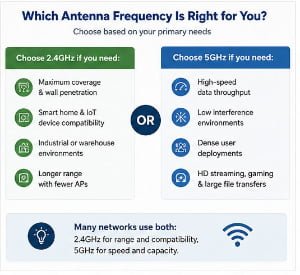
When we start a new project, I always ask these questions first. What frequency band do you need? Is it 433MHz, 868MHz, or 915MHz? What gain level fits your transmission distance? What connector type matches your device? What is your target price point? These answers shape everything.
Our manufacturing process covers the full chain. We have the design team that creates custom antenna patterns. We have the prototyping workshop that builds samples in 3-5 days. We have the testing lab that validates VSWR, gain, and radiation patterns. We have the production lines that scale from 100 pieces to 100,000 pieces. This integration means faster turnaround and better quality control.
Here is what sets us apart:
| Service Feature | What We Offer | Why It Matters |
|---|---|---|
| Engineering Support | Free antenna matching consultation | You get the right specs from the start |
| Sample Lead Time | 3-5 working days | You test faster and decide quicker |
| MOQ Flexibility | Starting from 100 pieces | You can start small and scale up |
| Quality System | ISO9001 certified | You get consistent quality batch after batch |
| Export Experience | 100+ countries served | You avoid customs and compliance issues |
I remember one customer from Germany. He bought premium antennas from another supplier. The specs looked amazing on paper. But his devices failed in real-world testing. Why? The antenna frequency did not match his regional regulations. The gain was too high for his short-range application. He wasted time and money. When he came to us, we started with his actual needs. We designed a mid-gain antenna at the right frequency. His devices worked perfectly. He saved 40% on costs. That is what I mean by "right fit over best spec."
Custom LoRa Antenna Supplier in China?
Standard antennas work for standard applications. But your product might need something different. Can the supplier really customize?
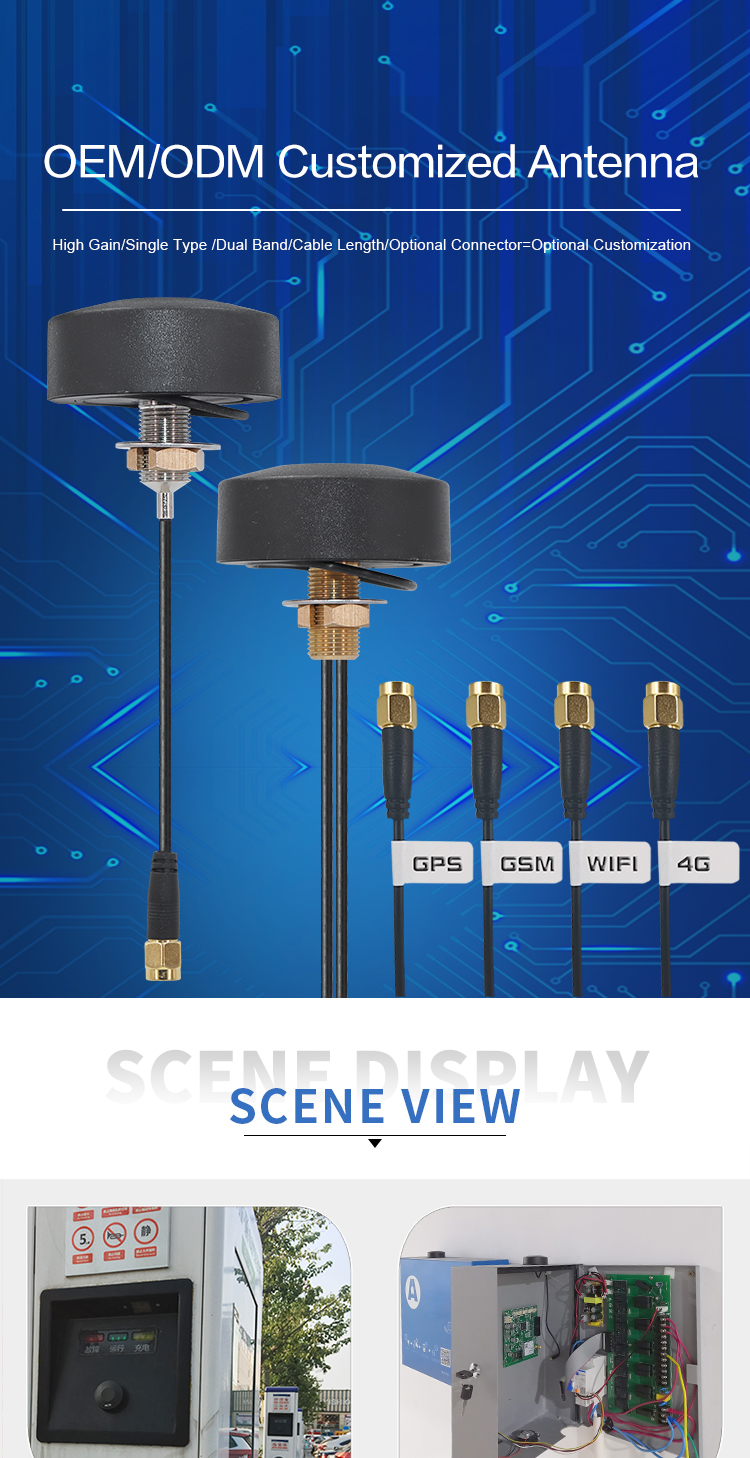
A true custom LoRa antenna supplier in China can modify frequency bands, adjust gain levels, change connector types, customize cable lengths, alter mounting methods, and adapt physical dimensions. We turn your specific requirements into working antennas through flexible OEM/ODM capabilities.
Customization is not just about changing a connector. It goes deeper. Your device might have space constraints. Your enclosure might need a specific mounting angle. Your application might require outdoor weatherproofing. Your brand might need custom packaging. We handle all of this.
Our customization process is straightforward. You send us your requirements or existing design. We review technical feasibility within 24 hours. We quote based on your volume and specifications. You approve the quote. We create 3D drawings for confirmation. We build prototypes. You test them. We refine if needed. We start production. This clarity removes guesswork.
I worked with a smart agriculture company last year. They needed a LoRa antenna for soil sensors. The sensors went underground. Standard antennas did not work in that environment. We designed a ground-penetrating antenna with modified radiation pattern. We adjusted the impedance matching for soil conditions. We used UV-resistant materials for the above-ground portion. The customization took two weeks. Their sensor network covered 50% more area than their previous design. They saved on gateway costs. They ordered 50,000 units over six months.
Different customers need different things:
| Customer Type | Common Custom Needs | Our Solution Approach |
|---|---|---|
| Device Manufacturers | Specific connector to match PCB | We stock 20+ connector types and can source others |
| System Integrators | Multiple frequency bands in one project | We design multi-band solutions or provide mix-and-match options |
| Brand Companies | Custom color and logo | We offer housing customization and branded packaging |
| Distributors | Private label and packaging | We provide white-label services with MOQ as low as 500 pieces |
The key point is this. Customization should solve your problem, not create new ones. Some suppliers offer customization but require huge MOQ. That does not help if you are testing a new market. We keep MOQ reasonable because we understand business reality. You need to validate your product before you commit to large volumes.
Professional OEM LoRa Antenna Factory China?
Factories all claim to be professional. But what does professional really mean in antenna manufacturing?
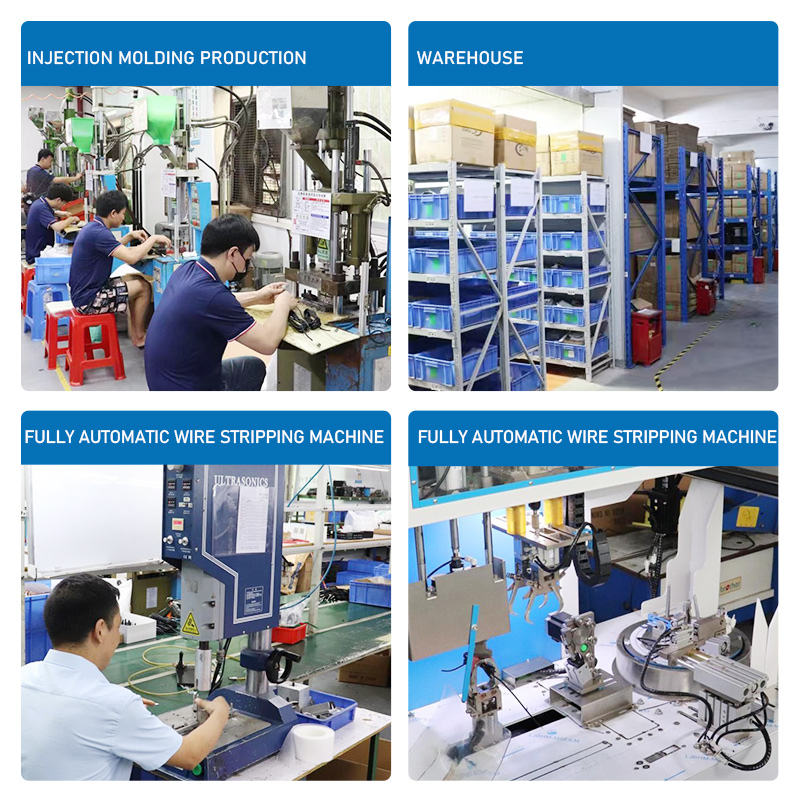
A professional OEM LoRa antenna factory in China has dedicated production lines, advanced testing equipment, trained technical staff, stable material supply chains, documented quality processes, and proven project management. We combine manufacturing scale with technical precision to deliver reliable products consistently.
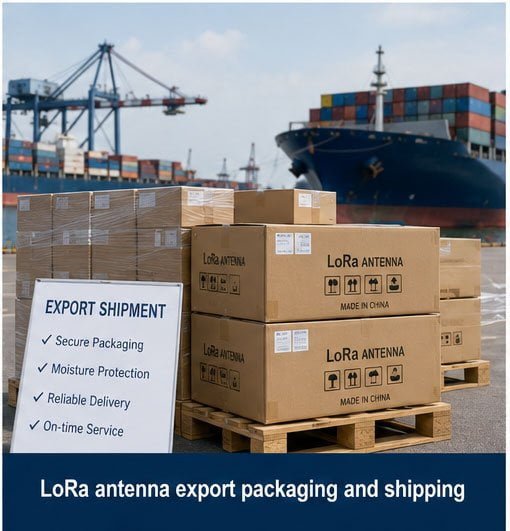
I have visited many antenna factories. The differences are obvious when you look closely. Professional factories have clean workshops with temperature control. Materials are organized and labeled. Testing happens at multiple stages. Documentation is complete. Workers follow clear procedures. These details matter more than fancy marketing.
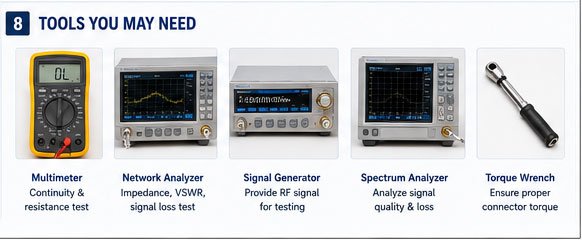
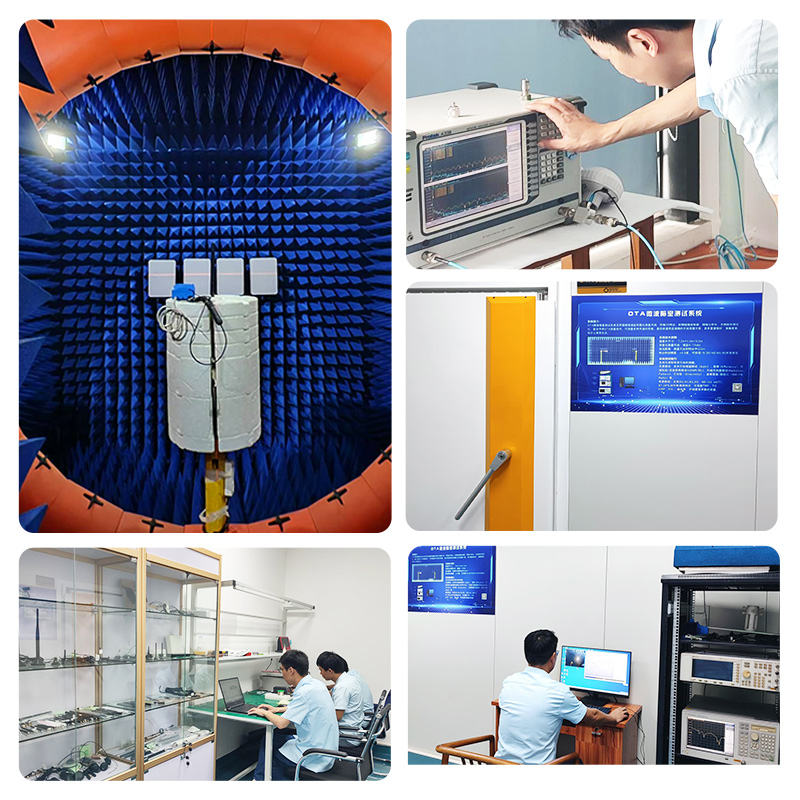
Our factory covers 3,000 square meters in Shenzhen. We have separate areas for different processes. The RF design lab has network analyzers and spectrum analyzers. The prototyping area has CNC machines and 3D printers. The production floor has automated winding machines and assembly lines. The testing zone has anechoic chambers for radiation pattern measurement. This setup means we control every step.
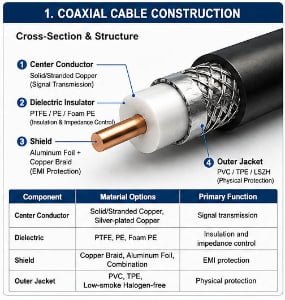
Quality control is not just about final inspection. It starts from incoming materials. We check every batch of PCB substrates, antenna elements, connectors, and cables. We verify dimensions and electrical properties. During production, we test impedance matching at 100% rate. We measure VSWR before final assembly. We do random sampling for radiation pattern verification. This catches problems early.
Here is our typical production workflow:
| Production Stage | Quality Check | Equipment Used | Pass Rate Target |
|---|---|---|---|
| Material Incoming | Dimensional and electrical specs | Calipers, multimeters, network analyzers | 99.5% |
| PCB Fabrication | Trace width, substrate thickness | Microscope, thickness gauge | 99% |
| Component Assembly | Solder quality, placement accuracy | AOI machine, manual inspection | 98% |
| Impedance Tuning | VSWR across frequency band | Vector network analyzer | 97% |
| Final Testing | Full RF performance verification | Network analyzer, conducted test | 96% |
I remember a customer from the UK who visited our factory last year. He had bad experience with another supplier. That supplier's factory looked good in photos. But when he visited, he found untrained workers and poor testing. Products from different batches performed differently. He could not trust them for long-term supply. When he saw our operation, he felt confident. He saw our testing process. He met our engineers. He understood our material traceability. He placed his first order immediately. Now we supply 10,000+ antennas monthly for his IoT gateway business.
Professional manufacturing is also about capacity planning. We maintain buffer inventory of common materials. We have backup equipment for critical processes. We cross-train workers to handle volume fluctuations. This means we meet your delivery deadlines, even when demand spikes. I have seen too many projects delayed because suppliers could not scale production. We built our factory to avoid that problem.
China-Based LoRa Antenna OEM Exporter?
Buying from China means dealing with exports. Shipping, customs, documentation. Will it be smooth or will you face problems?
A reliable China-based LoRa antenna OEM exporter handles international shipping logistics, provides accurate customs documentation, ensures proper packaging for long-distance transport, and complies with target market regulations. We ship to 100+ countries with experience in CE, RoHS, and FCC requirements.
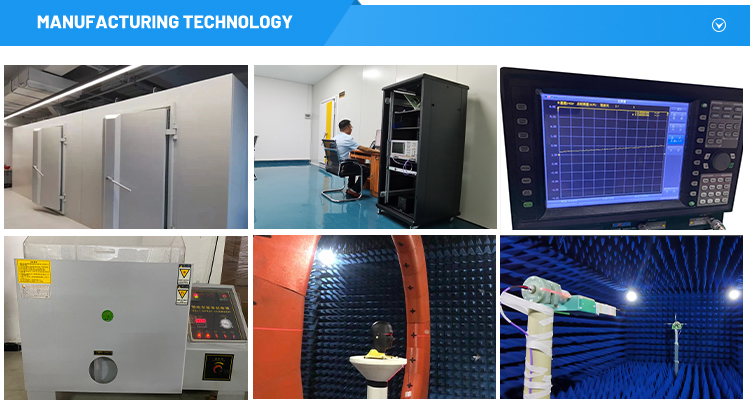
Export experience matters more than people think. The antenna might work perfectly in our lab. But if it arrives damaged, it is useless. If customs delays your shipment for three weeks, your project timeline breaks. If documentation is wrong, you pay extra fees or face rejection. We learned these lessons over 17 years.
Our export process is systematic. We use industrial packaging with foam protection and moisture barriers. We generate commercial invoices with correct HS codes. We provide certificates of conformity when needed. We work with reliable freight forwarders who understand antenna shipments. We track every shipment until you confirm receipt. This attention to detail prevents most problems.
Different markets have different requirements. European customers need CE marking and RoHS compliance. US customers care about FCC certification for radiating products. Middle East customers often need specific documentation formats. We maintain files for common certifications. For new requirements, we guide you through the process. We can connect you with testing labs if needed.
Here is what our export service covers:
| Export Service | What We Handle | Benefit to You |
|---|---|---|
| Packaging Design | Custom packaging for fragile antenna types | Antennas arrive undamaged |
| Documentation | Complete customs paperwork with accurate codes | No customs delays |
| Certification Support | Guidance on CE, RoHS, FCC requirements | You meet local regulations |
| Shipping Options | Sea freight, air freight, express courier | You choose based on urgency and budget |
| Tracking | Full visibility from factory to your door | You know exactly when to expect delivery |
I worked with a customer in Brazil recently. His country has strict import regulations for wireless products. He was worried about clearance. We prepared detailed technical documents in advance. We provided test reports showing compliance with Brazilian frequency allocations. We used proper tariff classification. His shipment cleared customs in four days. He was surprised because his previous supplier's shipments took three weeks or got rejected. The difference was preparation and experience.
Shipping costs affect your total budget. We optimize this by offering multiple options. For sample orders, express shipping gets products to you in 5-7 days. For production orders, sea freight reduces cost significantly but takes 25-35 days. Air freight is the middle option when you need speed without express premiums. We calculate all options so you can decide what fits your timeline and budget.
High Gain LoRa Antenna Supplier China?
LoRa is for long-range communication. Does higher gain always mean better performance? What should you look for?
A specialized high gain LoRa antenna supplier in China offers antennas from 3dBi to 12dBi gain levels, understands the trade-offs between gain and coverage pattern, and helps you select the right gain for your transmission distance and installation environment. We design antennas that maximize your network efficiency.
Gain is one of the most misunderstood antenna specifications. Many people think higher gain is always better. That is not true. Gain is about focusing the signal in certain directions. A high gain antenna sends signals farther in specific directions but has narrower coverage angle. A low gain antenna covers wider area but with shorter range. You need to match gain to your use case.
Let me explain with examples. If you install a LoRa gateway on a building rooftop covering flat farmland, a high gain antenna (8-12dBi) with narrow vertical beamwidth works well. The signal travels far horizontally where your sensors are. But if you install the same antenna in a city with tall buildings and varying heights, the narrow beam misses many sensors. A medium gain antenna (3-5dBi) with wider coverage works better in that scenario.
We manufacture LoRa antennas across the full gain range. Our 3dBi omnidirectional antennas suit short-range dense deployments. Our 5dBi antennas balance range and coverage for most outdoor applications. Our 8dBi antennas extend range in rural or point-to-point scenarios. Our 12dBi directional antennas serve long-distance links where you know the exact direction. Each gain level has its place.
Here is how different gains perform in practice:
| Gain Level | Coverage Pattern | Best Use Case | Typical Range |
|---|---|---|---|
| 2-3dBi | Wide omnidirectional | Indoor networks, urban environments | 500m-2km |
| 5-6dBi | Standard omnidirectional | General outdoor applications | 2km-5km |
| 8-9dBi | Focused omnidirectional | Rural areas, flat terrain | 5km-10km |
| 10-12dBi | Directional/narrow beam | Point-to-point, specific direction coverage | 10km-15km+ |
One customer from Australia installed 1,000 soil moisture sensors across 5,000 acres. He initially wanted 12dBi antennas for maximum range. I asked about his terrain. It had rolling hills. I explained that high gain antennas would create coverage gaps in valleys. We did a test deployment with 5dBi antennas. The coverage was more uniform. He needed fewer gateways than expected. He saved money on gateway hardware and saved time on installation. The right gain mattered more than the maximum gain.
Another factor is antenna type. Omnidirectional antennas radiate in all horizontal directions. Directional antennas focus signal in one direction. High gain omnidirectional antennas are typically longer because gain comes from physical length. High gain directional antennas use panels or Yagi designs. We help you choose the right type and gain combination.
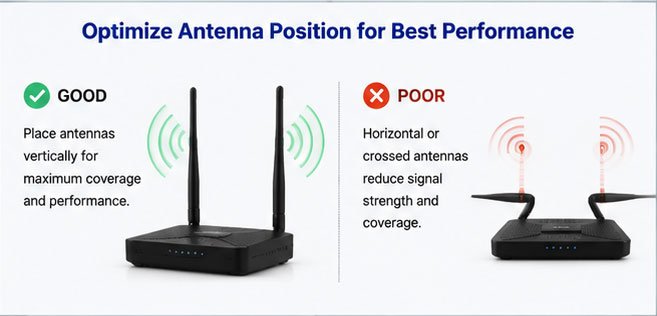
We also consider polarization. Most LoRa antennas use vertical polarization. But some applications need horizontal or circular polarization. Polarization matching between gateway and end devices is critical. Mismatched polarization causes 20dB+ signal loss. We specify polarization clearly and can customize if your application needs something different.
Reliable OEM LoRa Antenna Manufacturer China?
Reliability is easy to claim but hard to prove. How do you know a manufacturer will deliver consistent quality over time?
A reliable OEM LoRa antenna manufacturer China demonstrates consistency through quality certifications, maintains stable supplier relationships, implements documented processes, provides transparent communication, and shows long-term customer retention. We have customers who have ordered from us continuously for 8+ years.
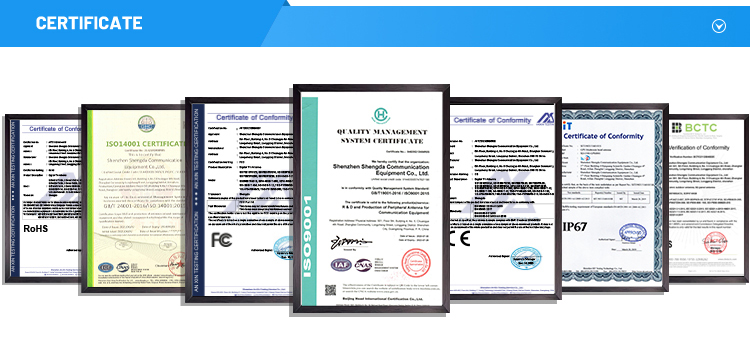
Reliability starts with systems, not promises. We hold ISO9001 certification because it forces us to document and follow processes. Every antenna goes through the same steps. Every test follows the same procedure. Every supplier meets the same standards. This consistency is what reliability means in manufacturing.
Material sourcing is a foundation of reliability. We work with the same PCB substrate suppliers for five years. We use the same connector brands across product lines. We maintain relationships with backup suppliers for critical components. When chip shortages happened in 2021, many manufacturers stopped production. We continued because we had material inventory and alternative sources planned in advance. Our customers did not face supply disruption.
Testing is another pillar. We test 100% of antennas for VSWR. We do sample testing for radiation patterns. We have calibrated test equipment with annual verification. We keep test records for every batch. If a customer reports a problem months later, we can trace back to the production batch and identify what happened. This traceability enables continuous improvement.
Here is what makes a manufacturer reliable over time:
| Reliability Factor | What It Means | How We Deliver |
|---|---|---|
| Quality Consistency | Same specs batch after batch | Documented processes, 100% VSWR testing, statistical process control |
| Supply Stability | Can deliver even during component shortages | Multi-supplier strategy, safety stock, production planning |
| Technical Support | Help when problems arise | Engineering team available, detailed documentation, sample testing support |
| Communication | Clear, honest, timely updates | Dedicated sales contact, production status updates, proactive problem notification |
| Long-term Partnership | Mutual benefit over many years | Fair pricing, improvement suggestions, volume discounts, payment flexibility |
I value long-term relationships. We have a customer in the