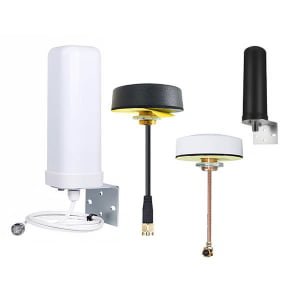
Are you struggling to pick the perfect antenna for your wireless needs? Choosing between 4G and 5G antennas can feel like a big challenge. It does not have to be confusing.
Choosing the right antenna depends on your specific needs. 4G antennas work well for general mobile internet and many IoT devices. 5G antennas offer higher speeds, lower latency, and support more advanced applications like industrial automation or real-time control.
When you think about connecting devices, the antenna is very important. It sends and receives signals. The right antenna makes sure your connection is strong and fast. The wrong one can cause big problems. Let's look at how to make the best choice for you.
4G vs 5G Antennas: Which One Is Best for Your Needs?
Are you wondering which antenna technology fits your project better? Picking between 4G and 5G antennas truly depends on what you want to achieve with your wireless setup.
The best antenna for your needs comes down to key factors: speed, latency, and application. 4G is good for general use, while 5G excels in high-demand, time-sensitive tasks.
When we think about our customers, we often see them asking this very question. It is not always about having the newest technology. It is about having the right technology. I remember a customer from a smart port project. They needed to remotely control container cranes. Operators would sit in a control room. They watched video feedback and sent commands to move giant containers. The environment was very tough. Metal containers piled five high blocked wireless signals. Crane grippers moved fast. They needed commands sent in milliseconds. The port had both 4G and new 5G coverage. The customer was really unsure. Should they use 4G or 5G antennas?
Understanding Core Differences
When you look at 4G and 5G antennas, the main differences come from the networks they serve.
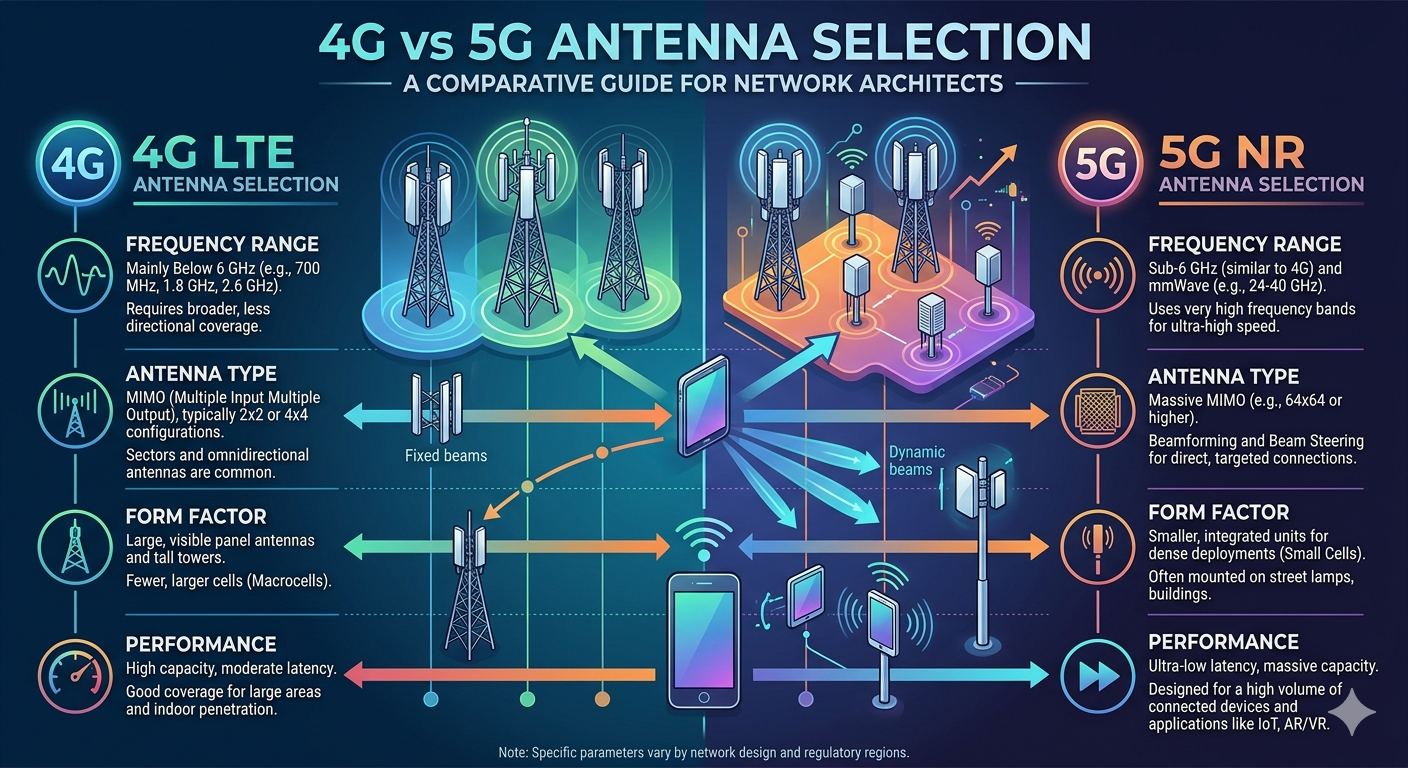
- Frequency Bands: 4G mostly uses lower frequency bands. These signals travel further and go through obstacles better. 5G uses a wider range of frequencies. It uses lower bands like 4G, but also mid-band and higher millimeter-wave (mmWave) bands. Higher frequencies offer more speed. But they also have shorter range and get blocked more easily. This is why 5G often needs more antennas and more direct line of sight.
- Data Speed: 4G can give you tens to hundreds of megabits per second (Mbps). This is fine for streaming video or browsing the internet. 5G, especially in higher frequency bands, can offer gigabits per second (Gbps) speeds. This means you can download huge files almost instantly. For the port customer, high video quality feedback was important.
- Latency: This is the delay between sending a signal and receiving a response. 4G has a latency of about 20-100 milliseconds. This is acceptable for most web use. 5G aims for ultra-low latency, sometimes as low as 1 millisecond in ideal conditions. In practice, it is often 5-20 milliseconds. For the port's remote crane control, this was critical. A delay of even 120ms could mean a lost command. This could make crane operations unsafe.
- Capacity: 5G networks can handle many more devices at once in the same area. This is important for smart cities or industrial campuses with thousands of connected sensors.
- Antenna Design: 5G antennas often use more advanced technologies like Massive MIMO (Multiple-Input, Multiple-Output). This means they use many small antennas together. This helps direct signals more precisely. It also improves speed and capacity. For the port, we tested a 5G NR industrial antenna that supported 4x4 MIMO. This meant it used four antennas to achieve its performance goals.
Understanding these points helps you match the antenna to your network and your specific task.
Choosing Between 4G and 5G Antennas: A Complete Guide
Are you feeling overwhelmed by the choices when selecting a cellular antenna? It is a common problem to face. We are here to help you navigate the options.
To choose correctly, evaluate your application's speed, reliability, and coverage needs. 4G suits broad coverage and moderate speeds. 5G is for high-speed, low-latency, and data-intensive tasks.
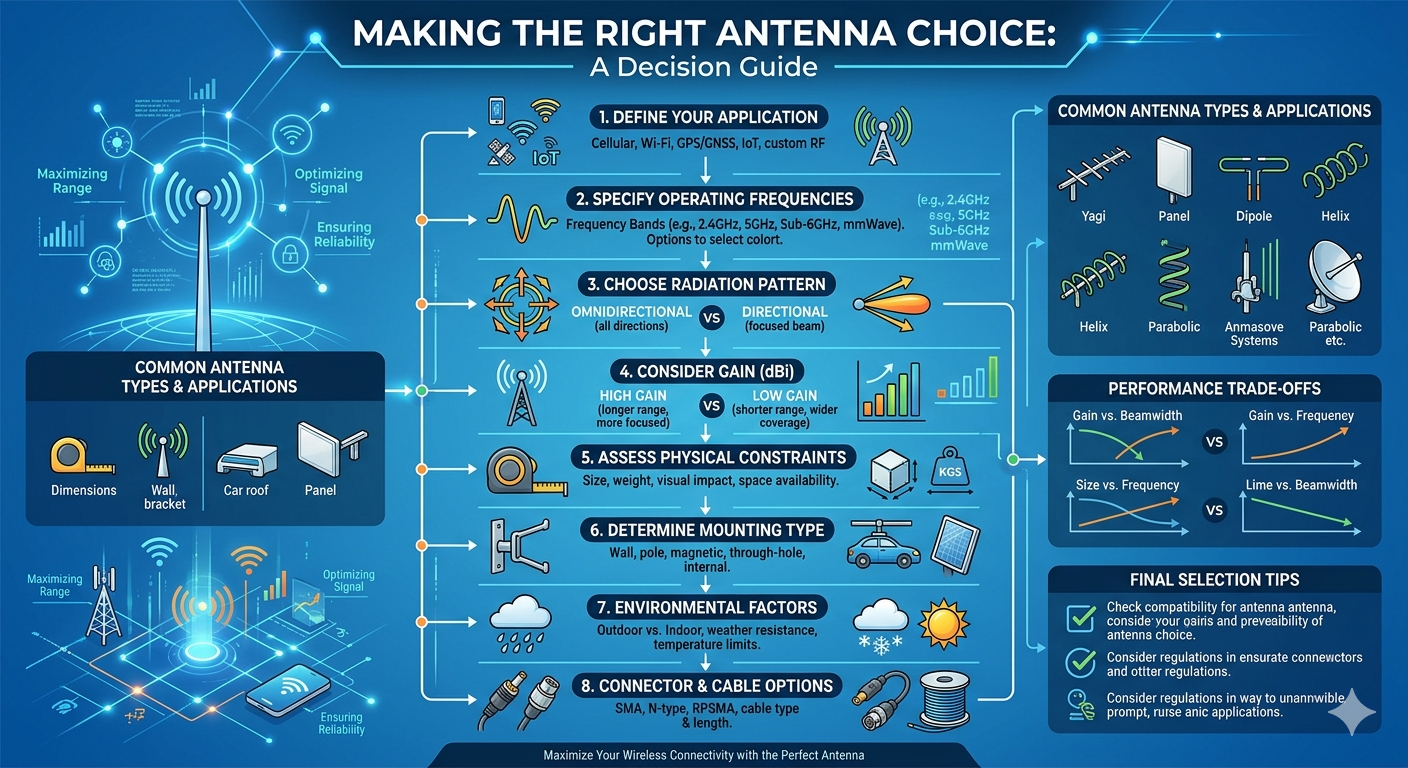
The choice between 4G and 5G antennas is not always clear-cut. Sometimes, customers think they need 5G just because it is newer. But for many applications, 4G is still perfectly fine and more cost-effective. It all depends on the specific job. I often tell customers to think about their "must-haves." Do they need very high speed? Or is reliable connection more important? Is low latency a critical safety factor? These questions help narrow down the options.
Key Factors for Your Decision
Making the right choice involves looking at several factors.
- Application Requirements: What will the antenna be used for? If it is for a home router or a basic IoT sensor, 4G is usually enough. For things like remote surgery, autonomous vehicles, or real-time industrial control, 5G is a must. Remember the smart port client. Their need for millisecond-level command response in a remote control setup clearly pointed to 5G. A 4G antenna simply could not guarantee the safety they needed.
- Network Availability: Do you have 5G coverage where you need it? 5G is still expanding. Many areas only have 4G. You can install a 5G antenna, but it will only work on a 5G network. If 5G is not available, it will fall back to 4G. This is why testing in a specific environment is so important. At the port, they had 5G pilot coverage. This made testing both options side-by-side possible.
- Budget: 5G antennas and modules are generally more expensive than their 4G counterparts. Consider the total cost of ownership. This includes the antenna, the module, and any network subscriptions. For some projects, the extra cost of 5G is justified by the performance gains. For others, it is not.
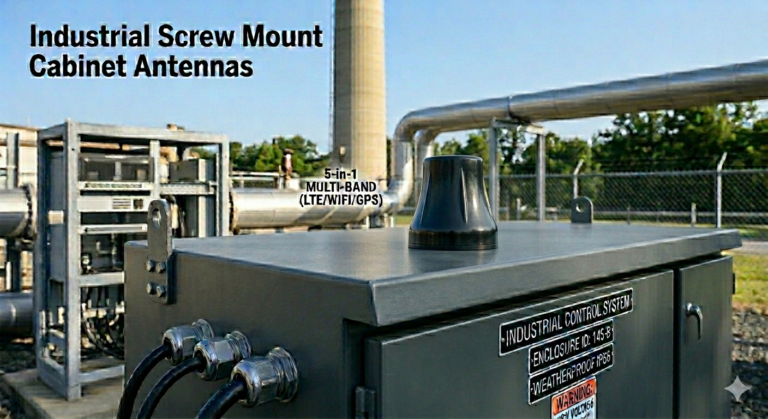
- Environment: Where will the antenna be installed? Is it outdoors? Indoors? In a harsh industrial setting? The port environment was very challenging. It had metal containers and was outdoors. This meant antennas needed to be robust and have high IP ratings for water and dust protection. Our 4G industrial antenna had an IP67 rating. Both 4G and 5G industrial antennas need to withstand tough conditions.
- Future Proofing: Do you plan to upgrade your system soon? If you build a new system now, you might want to consider 5G. This way, you will not need to replace your antennas again in a few years. My port client decided to go all-in on 5G for new cranes. They also planned full port-wide 5G coverage within a year. This shows they were thinking long-term.
| Feature | 4G Antenna | 5G Antenna |
|---|---|---|
| Speed | Up to hundreds of Mbps | Up to Gbps |
| Latency | 20-100 ms | 1-20 ms (lower for critical applications) |
| Frequency | Mostly sub-6 GHz | Sub-6 GHz and mmWave |
| Applications | General IoT, mobile, fixed wireless access | Critical IoT, industrial automation, VR/AR, high-density |
| Cost | Generally lower | Generally higher |
| Complexity | Simpler design | More complex (MIMO, beamforming) |
These factors will guide you to the right decision.
4G or 5G Antenna: How to Make the Right Choice
Are you stuck between two good options, 4G and 5G antennas? It is hard to decide when both seem useful. Let us break down how to make this important choice.
The right choice comes from understanding your project's demands for speed, reliability, and future growth. Consider current network availability and your budget to make an informed decision.
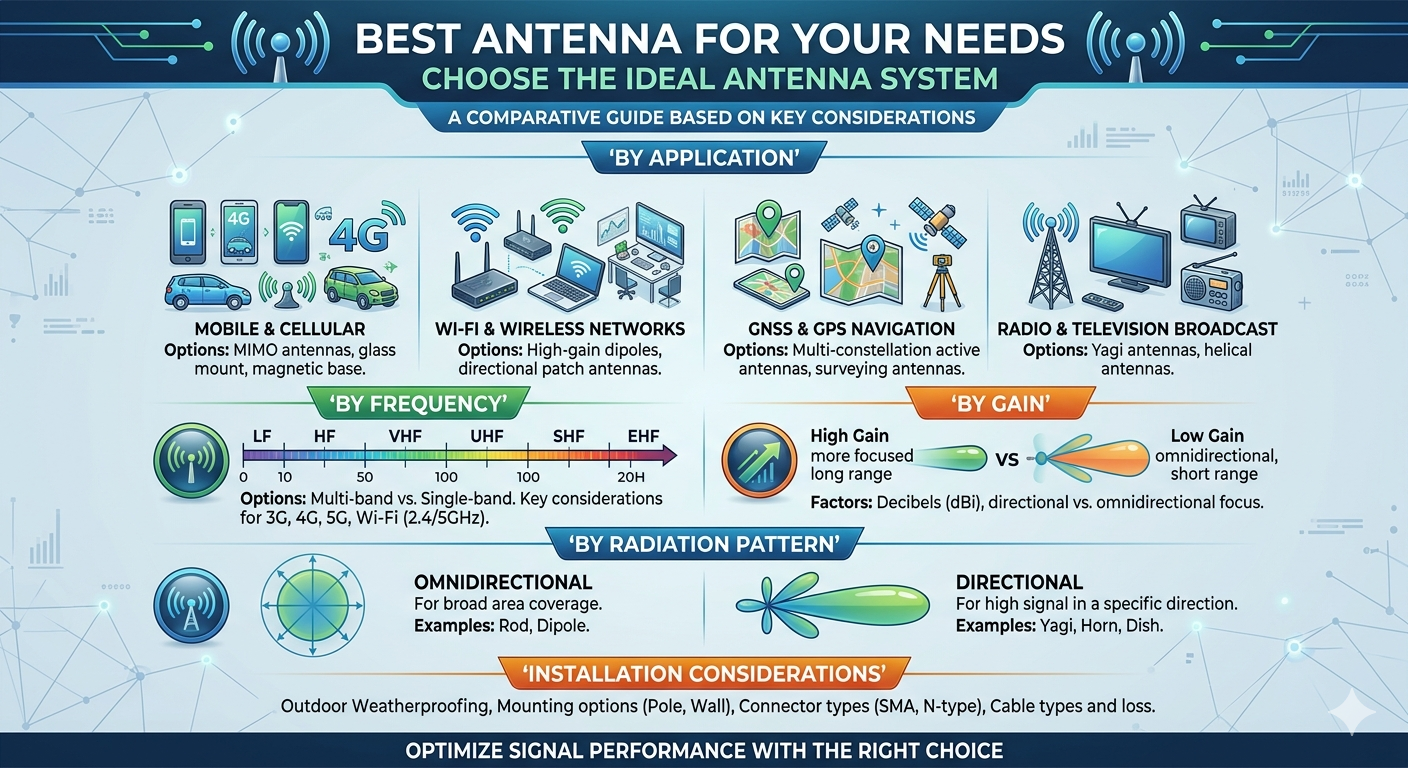
Making the right choice for an antenna often feels like a balancing act. You weigh performance against cost and future needs. It is like when we helped the smart port customer. They had a very clear need for low latency and high reliability. My engineers did not just guess. We put both 4G and 5G options to a real test. This is often the best way to make a decision when the stakes are high.
Testing and Validation
Testing is vital. It is how you confirm if an antenna truly meets your needs.
- Real-World Testing: We often recommend testing antennas in your actual operating environment. For the port, we did just that. We installed two separate systems on one crane. One system had a 4G industrial screw-mount antenna with a 4G module. The other system had a 5G NR industrial antenna with 4x4 MIMO and a 5G module. We ran them at the same time. This let us compare critical performance numbers side-by-side.
- Key Performance Indicators (KPIs): What are you measuring? For the port, we looked at latency, signal strength, and packet loss. The 4G system showed occasional delays of 120ms. This was too high for safety-critical remote control. The 5G system kept latency consistently below 15ms. This met their safety standards. This direct comparison gave them clear data to make their decision.
- Network Compatibility: Ensure the antenna is compatible with your chosen cellular module. Also, make sure it works with the frequency bands used by your local network provider. This sounds simple, but it is a common mistake.
- Form Factor and Mounting: Consider the physical antenna. Does it fit where you need it? Can it be mounted securely? Is it durable enough for the environment? The 4G screw-mount antenna was chosen for its ruggedness and easy installation. 5G antennas, especially MIMO setups, might need more space.
- Scalability: If you plan to expand your system, think about how your antenna choice will scale. Is it easy to add more units? Will the network support more devices with your chosen antenna type? The port customer's plan to cover the whole port with 5G shows a scalable vision.
- Expert Consultation: Sometimes, you need help from experts. Our team specializes in antennas. We can look at your requirements. Then we can suggest the best solution. We also help with testing and customization. This makes sure you get exactly what you need.
By carefully testing and looking at these factors, you can make a confident choice between 4G and 5G antennas.
4G vs 5G Antenna Differences: What You Need to Know
Do you understand the core differences between 4G and 5G antennas? Knowing these points is key to making a smart antenna choice. It helps you avoid problems later.
The main differences lie in frequency bands, bandwidth, and latency capabilities. 5G supports higher frequencies for greater speed and lower latency, while 4G offers broader, more stable coverage.
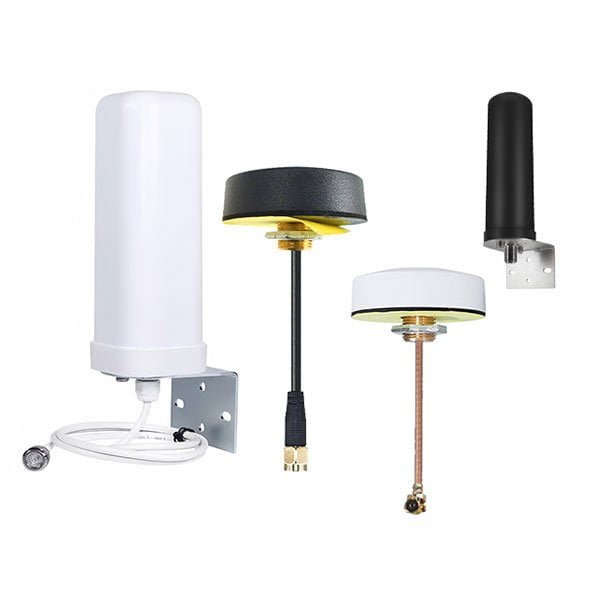
It is easy to think an antenna is just an antenna. But this is not true. The technology inside a 4G antenna is different from a 5G antenna. These differences impact how they perform. My company has been making antennas for over 17 years. We have seen technology change a lot. Each new generation of wireless technology brings new challenges and new solutions for antennas. We make sure our antennas keep up. This helps our customers get the best performance from their devices.
Technical Deep Dive
Let us explore the technical aspects that set these antennas apart.
- Frequency Bands: 4G typically operates on frequencies below 6 GHz. These frequencies are good for long-range and penetration through buildings. 5G also uses these sub-6 GHz bands, but it adds higher frequency bands, including millimeter-wave (mmWave) in the 24 GHz to 47 GHz range. These higher frequencies allow for massive bandwidth and extremely fast speeds. However, mmWave signals have a very short range and are easily blocked by objects like walls, trees, or, in our port example, stacks of metal containers. This means 5G mmWave antennas often need to be smaller, more numerous, and highly directional.
- Bandwidth and Data Rates: Because 5G uses wider channels and higher frequencies, it can achieve much higher data rates. 4G might give you 50-100 Mbps on average. 5G can easily reach 1-10 Gbps in optimal conditions. This huge difference means 5G is suitable for data-heavy applications. Think about live 4K video streams from multiple cameras or cloud-based industrial control systems. The port needed high-quality video feedback for remote crane operators.
- MIMO and Beamforming: 4G uses MIMO (Multiple-Input, Multiple-Output) technology. This means it uses multiple antennas to send and receive data at the same time. This improves speed and reliability. 5G takes MIMO much further with Massive MIMO. This uses dozens or even hundreds of antenna elements in a single array. It also uses beamforming. This technology directs radio signals directly to the user's device. It is like shining a flashlight only where you need it, instead of everywhere. This makes the connection stronger, faster, and reduces interference. For the port, our 5G antenna supported 4x4 MIMO. This means it used four separate antenna elements working together to achieve the needed performance. This is a significant upgrade from a single 4G antenna.
- Form Factor and Design: Due to the different frequencies and technologies, 5G antennas can look different. mmWave antennas are often very small arrays. Sub-6 GHz 5G antennas might look similar to 4G antennas. But they need to be optimized for the specific 5G bands. Our industrial 4G screw-mount antenna was a robust, single unit. The 5G industrial antenna was designed to handle multiple streams with 4x4 MIMO. This meant the internal design was more complex.
- Power Consumption: Running more advanced antenna systems like Massive MIMO can require more power. This is an important consideration for battery-powered devices.
Understanding these technical details helps explain why one antenna performs differently from another. It guides your decision for peak performance.
How to Choose the Best Antenna for 4G and 5G Networks
Are you wondering how to pick the ideal antenna for your 4G or 5G connectivity? The right selection is not just about signal bars. It is about total performance.
The best antenna choice means considering both your current network environment and your future connectivity needs. Focus on antenna type, gain, frequency range, and environmental resilience to make a smart decision.
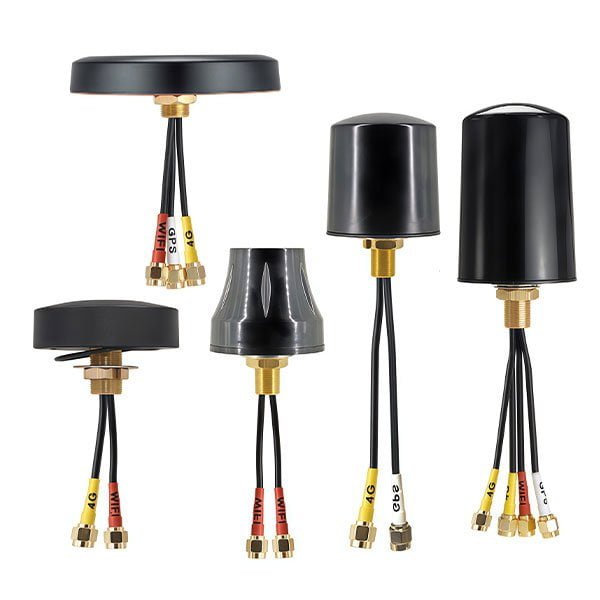
Selecting the "best" antenna is subjective. What is best for one customer might not be best for another. Our company offers a wide range of antennas. This means we can usually find a good fit. Sometimes, we even customize antennas. This ensures they meet very specific customer needs. It is about understanding the problem first, then finding the solution. It is not just about selling a product. It is about helping our customers succeed.
Making an Informed Decision
When choosing the best antenna, I consider these practical steps.
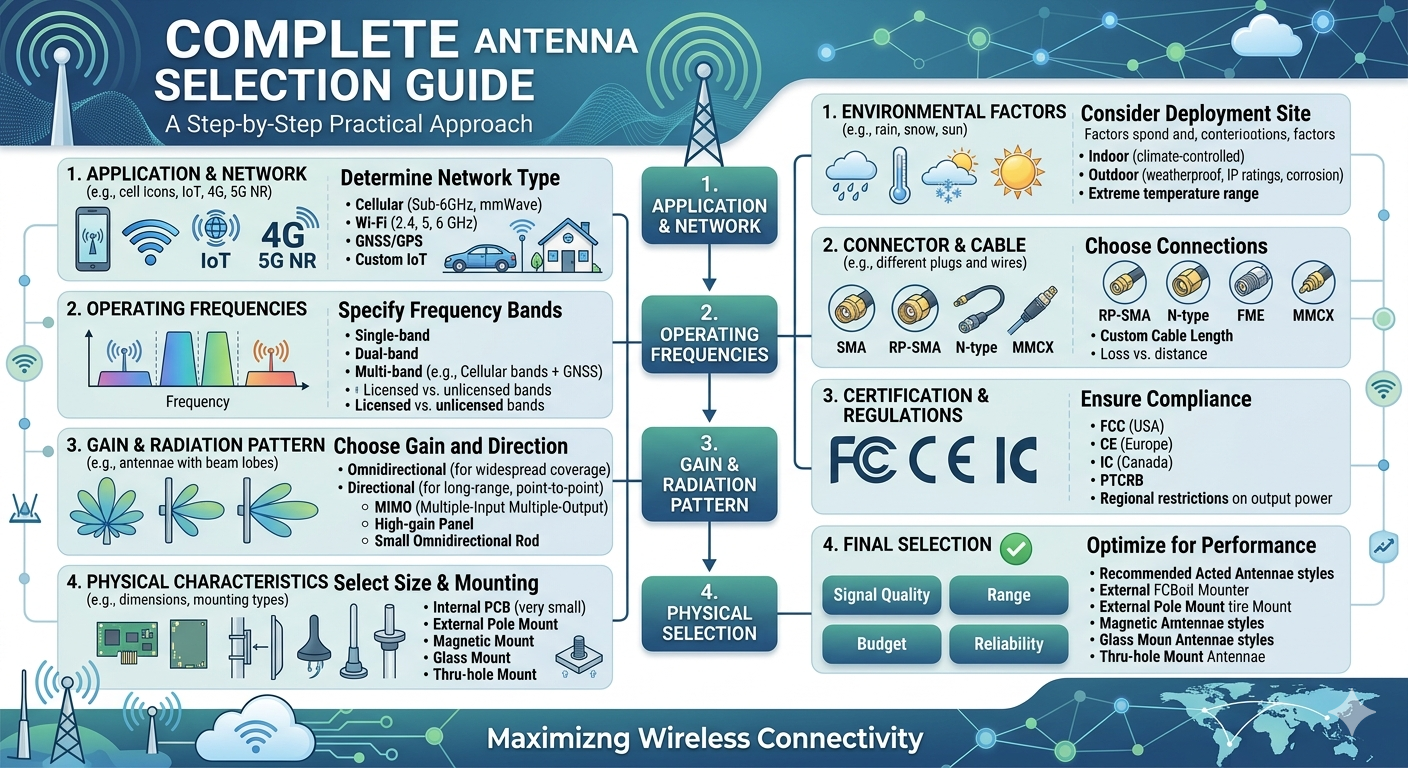
- Identify Your Network Type: First, confirm whether you are primarily using a 4G or 5G network. Even if you have a 5G device, it will often fall back to 4G in areas without 5G coverage. Your antenna must support the frequencies used by your network provider. Most of our antennas are multi-band. This means they cover a wide range of frequencies for both 4G and 5G sub-6 GHz bands.
- Determine Antenna Type:
- Omnidirectional Antennas: These send and receive signals in all directions. They are good for mobile applications or when the signal source is unknown. Many puck antennas or whip antennas are omnidirectional.
- Directional Antennas: These focus the signal in one specific direction. They are great for long-distance connections or when you need to connect to a specific cell tower. Panel antennas are a common type of directional antenna.
- MIMO Antennas: As discussed, 5G heavily uses MIMO. If you want to get the best speeds from 5G, you will need a MIMO-enabled antenna system. This often means multiple antenna elements in one housing or several individual antennas. Our 5G NR industrial antenna for the port supported 4x4 MIMO.
- Consider Antenna Gain: Gain is a measure of an antenna's ability to direct power. Higher gain generally means a stronger signal in a specific direction. But it might have a narrower beam. You need to balance gain with coverage area. Too high gain might make aiming difficult. Too low gain might mean weak signals.
- Environmental Factors: Where will the antenna be?
- Indoor vs. Outdoor: Outdoor antennas need to be weatherproof. They need to withstand rain, wind, and UV radiation. Our industrial antennas, like the IP67-rated 4G screw-mount, are built for harsh outdoor conditions.
- Obstacles: If there are many obstacles (buildings, trees, metal containers), lower frequency bands (better for 4G and sub-6 GHz 5G) will perform better. mmWave 5G will struggle.
- Temperature Range: Industrial antennas need to work in extreme temperatures. We test our antennas to ensure they perform reliably from very cold to very hot conditions.
- Mounting Options: How will the antenna be installed? Common options include screw mount, magnetic mount, adhesive mount, or pole mount. Make sure the antenna form factor fits your device and installation spot.
- Cable Length and Connector Type: Pay attention to the cable length. Longer cables can mean more signal loss. Also, ensure the connector type matches your device or module (e.g., SMA, N-Type, U.FL). We offer custom cable assemblies to ensure perfect compatibility.
By going through these steps, you can confidently choose the best antenna for your specific needs, whether for 4G or 5G.
4G vs 5G Antennas Explained: Which Should You Buy?
Are you still unsure about buying a 4G or 5G antenna? It is a big decision with many implications. Let me explain it in simple terms.
You should buy a 5G antenna if your application demands ultra-low latency, very high speeds, or supports a high density of devices. Otherwise, a 4G antenna offers a reliable and often more affordable solution for general use.
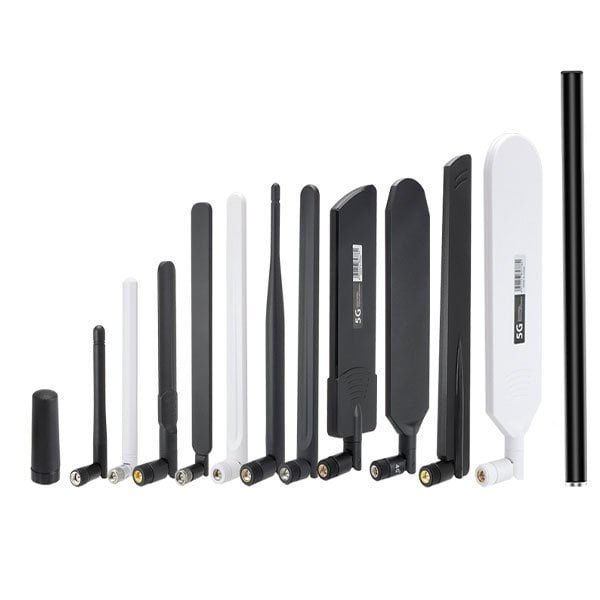
When customers come to us with this question, I always say: "What problem are you trying to solve?" The answer guides us to the right antenna. My company builds antennas for many uses. We have seen where 4G shines and where 5G is absolutely necessary. The port project is a perfect example. Safety and real-time control were the core problems. 4G could not solve them reliably. So 5G was the clear winner.
Practical Purchase Advice
Let us break down when to choose which antenna.
- When to Choose 4G Antennas:
- Cost-Effectiveness: If budget is a major concern, 4G antennas are generally less expensive. This includes the antenna itself, the cellular module, and sometimes even the data plans.
- Wider Coverage: 4G networks are more widespread globally. If your device needs to work in many different locations, 4G often offers more reliable and consistent coverage.
- General IoT and Telemetry: For applications like smart metering, asset tracking, remote monitoring with less critical data, or point-of-sale systems, 4G provides sufficient speed and reliability.
- Lower Data Volume: If your application does not require sending or receiving huge amounts of data quickly, 4G is perfectly capable.
- Simpler Setups: 4G antenna setups are often simpler. They might involve fewer antennas compared to a multi-MIMO 5G system.
- Existing Infrastructure: If you already have 4G modules and devices, sticking with 4G antennas makes sense.
- When to Choose 5G Antennas:
- Mission-Critical Applications: If your application demands extremely low latency and high reliability, 5G is the way to go. This includes industrial automation, remote control (like the port cranes), autonomous vehicles, and real-time robotics. The 15ms latency achieved by 5G at the port was vital for safety.
- High-Speed Data Transmission: For applications requiring gigabit speeds, such as high-definition video surveillance, virtual reality, augmented reality, or large file transfers, 5G is superior.
- High-Density Environments: In places where many devices need to connect at once (e.g., stadiums, smart factories, smart cities), 5G's high capacity is a major advantage.
- Future-Proofing: If you are building a new system that needs to last for many years, investing in 5G technology now can prevent costly upgrades later. The port client's decision to plan for full 5G coverage shows this long-term thinking.
- Advanced Features: If you need features like network slicing (which creates dedicated virtual networks for specific applications) or enhanced mobile broadband, 5G antennas are required.
Consider these points to confidently decide which antenna technology is right for your purchase.
Conclusion
Choosing between 4G and 5G antennas means matching the technology to your specific needs. Assess your required speed, latency, environment, and budget carefully. The right antenna ensures reliable and efficient wireless communication for your application.