Frustrated by poor signal and connection drops? Your cheap coaxial cable might be the culprit, costing you more in the long run. The secret to performance lies inside the cable.
A quality 50 ohm coaxial cable is expensive because it uses superior materials like a pure copper conductor, high-density shielding, and a robust dielectric insulator. These premium components minimize signal loss and ensure consistent, reliable performance where cheaper alternatives fail.
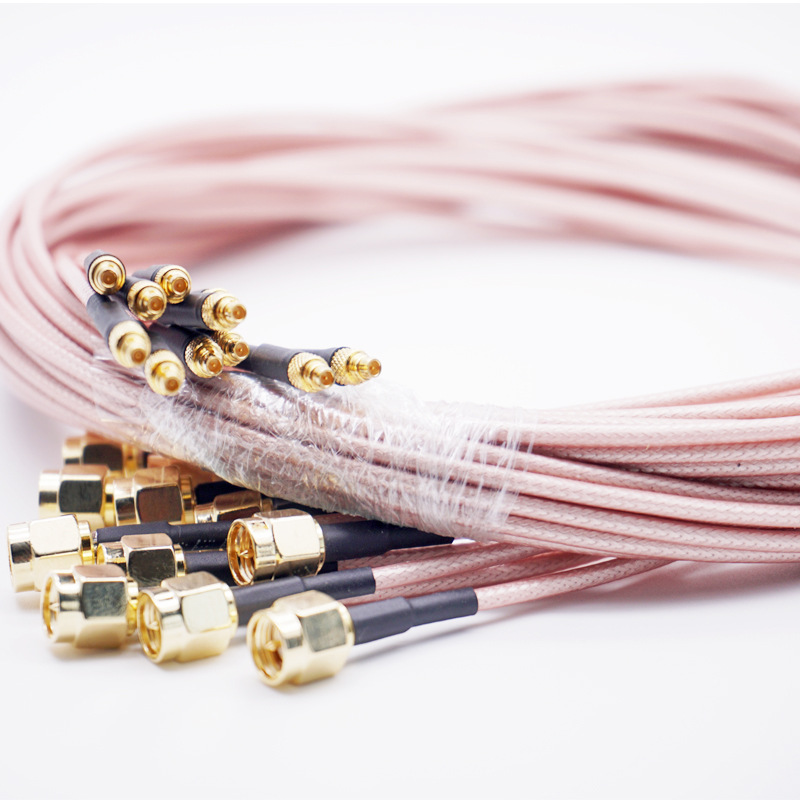
On the surface, most cables look the same. But I've learned from over 17 years in this business that you can't judge a cable by its jacket. A cheap cable can hide serious problems that only show up after it's too late. It's a lesson we've seen customers learn the hard way. Let's peel back the layers and see what you are really paying for.
What makes the materials and construction of a quality 50 ohm cable so different?
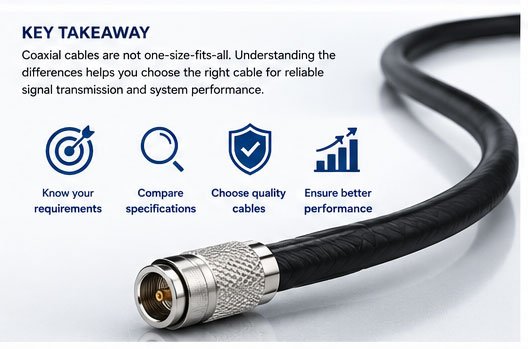
Think all cables are built the same? This common mistake can lead to project failure and endless troubleshooting. The real difference between a good and bad cable is in the details you cannot see.
Quality construction involves a pure copper center conductor, a high-quality foam dielectric for signal speed, and dense double-shielding (foil and braid) for interference protection. Cheaper cables often use copper-clad aluminum and sparse shielding, which severely degrades performance and durability.
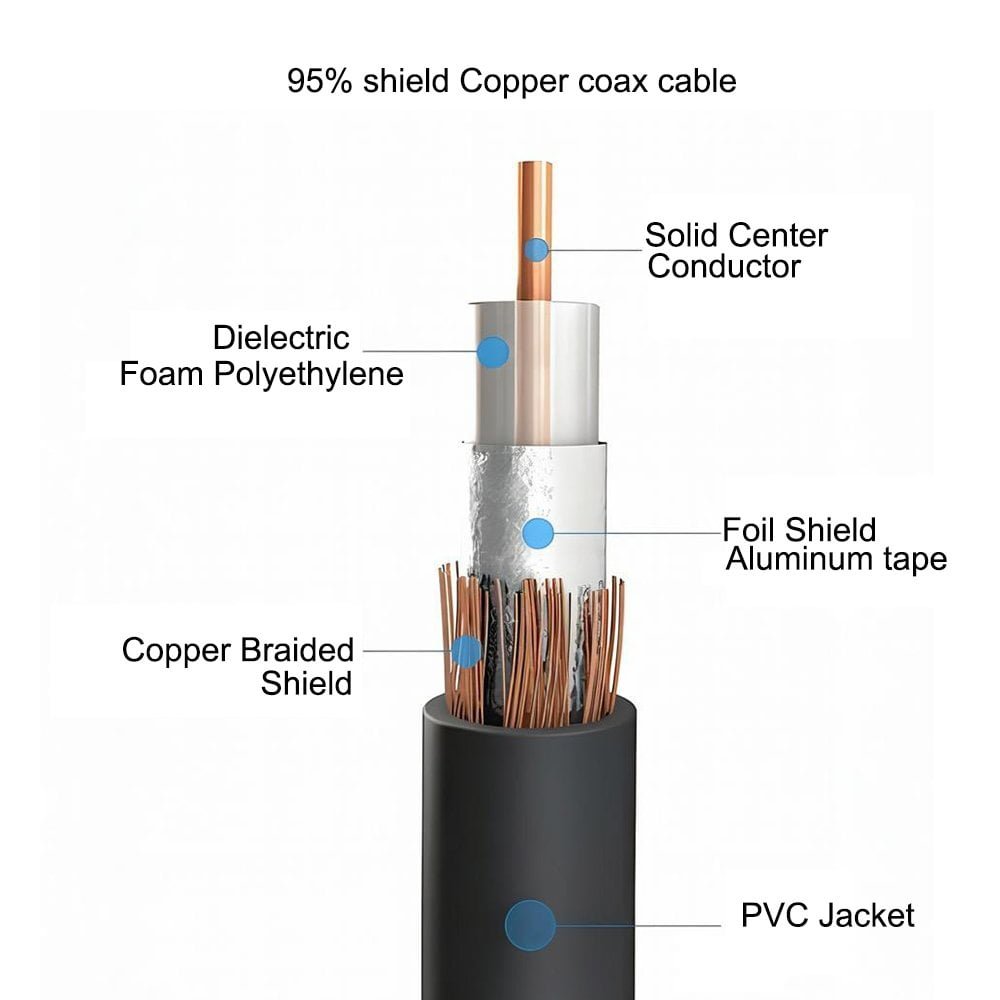
When we build a cable, we focus on four critical parts. Each part has a high-quality version and a low-cost shortcut. The choice between them is the difference between a cable that works and one that fails. You cannot tell the difference with your eyes, but your equipment can. It's all about the internal construction.
The Four Pillars of Cable Quality
- The Center Conductor: This is the highway for your signal. High-quality cables use solid, pure copper. It offers the best conductivity. Cheaper cables use Copper-Clad Aluminum (CCA). CCA is cheaper, but it has higher resistance, which means more signal is lost. It's also brittle and breaks easily.
- The Dielectric Insulator: This material separates the conductor from the shielding. Its job is to maintain the 50 ohm impedance and signal speed. We use a high-quality, gas-injected foam polyethylene (PE). It allows the signal to travel faster. Low-cost cables use solid PE, which is heavier and slows the signal down.
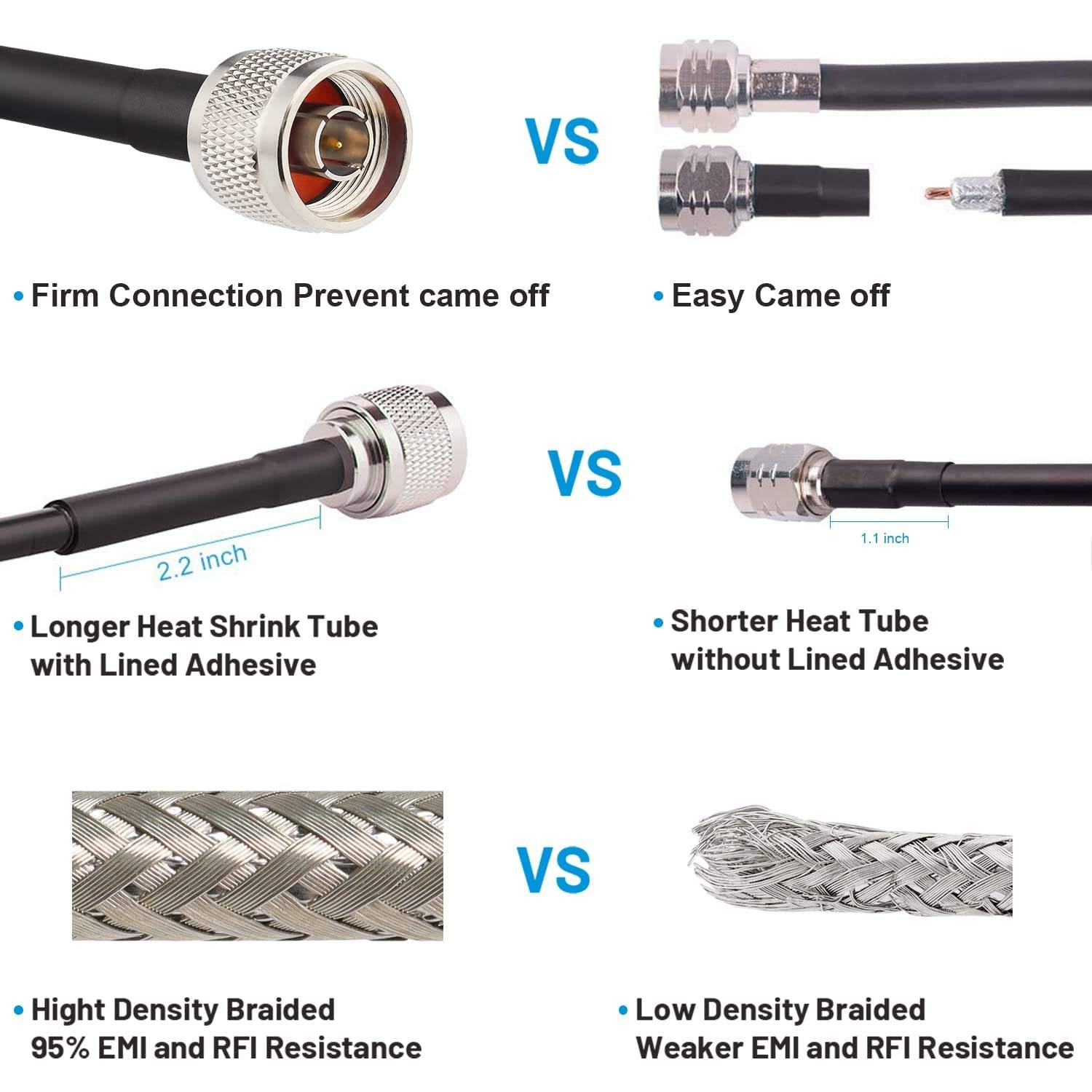
- The Shielding: This protects your signal from outside interference (EMI/RFI). Quality cables use a two-layer shield: a bonded aluminum foil and a high-density tinned copper braid (often over 95% coverage). Cheap cables use a single, thin layer of foil and a very sparse aluminum braid (sometimes less than 60% coverage). This is like having a leaky roof in a rainstorm.
- The Outer Jacket: This protects the cable from the environment. A good PVC or PE jacket is UV-resistant and durable. A cheap one becomes brittle and cracks, letting moisture in.
| Component | High-Quality Standard | Low-Cost Shortcut | Impact on Performance |
|---|---|---|---|
| Conductor | 100% Bare Copper (BC) | Copper-Clad Aluminum (CCA)1 | Higher signal loss, breaks easily |
| Dielectric | Gas-Injected Foam PE | Solid Polyethylene (PE) | Slower signal speed, higher loss |
| Shielding | Foil + >95% Copper Braid | Foil + <60% Aluminum Braid | Poor interference protection |
| Jacket | UV-Resistant PVC/PE | Low-Grade, non-UV PVC | Cracks and lets moisture in |
How does poor cable quality affect signal loss and performance?
Is your signal strong at the source but weak at the device? This signal loss, or attenuation, is often caused by a poorly made cable sabotaging your entire system.
Poor cable quality directly increases signal loss (attenuation)2 and creates signal reflections (high VSWR). This means less power reaches your device, leading to slower data speeds, dropped connections, and reduced communication range. A quality cable maintains signal integrity from end to end.
I remember a new client from Brazil who was incredibly frustrated. He had bought some coaxial cable assemblies from another supplier for a critical project. By the time the shipment arrived, the connectors were already showing rust. When his team tested them, the performance was terrible. The project was delayed for weeks, and he was angry about the time and money wasted.
When he contacted us, he sent a very long email explaining his strict requirements. He had lost trust in suppliers. We understood his position completely. Before we even sent him a sample, we sent him our material specification sheets, our internal quality reports, and videos of our testing process. We showed him our 48-hour salt spray test3, which simulates years of corrosion in just two days. This is a standard process for every batch we produce. This test would have immediately caught the problem his last supplier had. Seeing this evidence of our process gave him the confidence to test our samples. He is now one of our best customers.
His story is a perfect example of what goes wrong. Rust and poor materials create huge signal loss. Here's a breakdown of the technical problems:
Key Performance Metrics Destroyed by Bad Cables
- Attenuation (Insertion Loss): This is the natural weakening of a signal as it travels down a cable. A quality cable with a pure copper conductor and good dielectric minimizes this loss. A cheap CCA cable has much higher loss, especially at higher frequencies like 5G or WiFi bands. Your signal simply runs out of energy before it reaches the end.
- VSWR (Voltage Standing Wave Ratio): This measures signal reflections. A perfect cable has a VSWR of 1:1. Poor materials, bad connectors, or damage (like from moisture) cause an impedance mismatch. This mismatch acts like a mirror, reflecting signal power back to the source instead of delivering it to the antenna. High VSWR can even damage transmitters over time.
| Frequency | Quality Cable (Loss/100ft) | Cheap Cable (Loss/100ft) |
|---|---|---|
| 900 MHz | ~4.5 dB | ~7.0 dB |
| 1800 MHz | ~6.8 dB | ~10.5 dB |
| 2.4 GHz | ~8.5 dB | ~13.5 dB |
| 5.8 GHz | ~14.0 dB | ~22.0 dB |
As you can see, the performance gap gets much wider at higher frequencies. A cheap cable might seem okay for an old 3G system, but it will be a complete failure for a 5G or WiFi 6 application.
Is an expensive 50 ohm cable really worth the investment?
Worried about the high upfront cost of a premium cable? I understand the pressure to manage budgets. But the real cost of a cheap cable is not on the price tag. It is in the failures that come later.
Yes, an expensive cable is absolutely worth it. The higher initial cost prevents much larger expenses later. These include project delays, product recalls, system downtime, and damage to your brand's reputation. A quality cable is an insurance policy for your entire communication system.
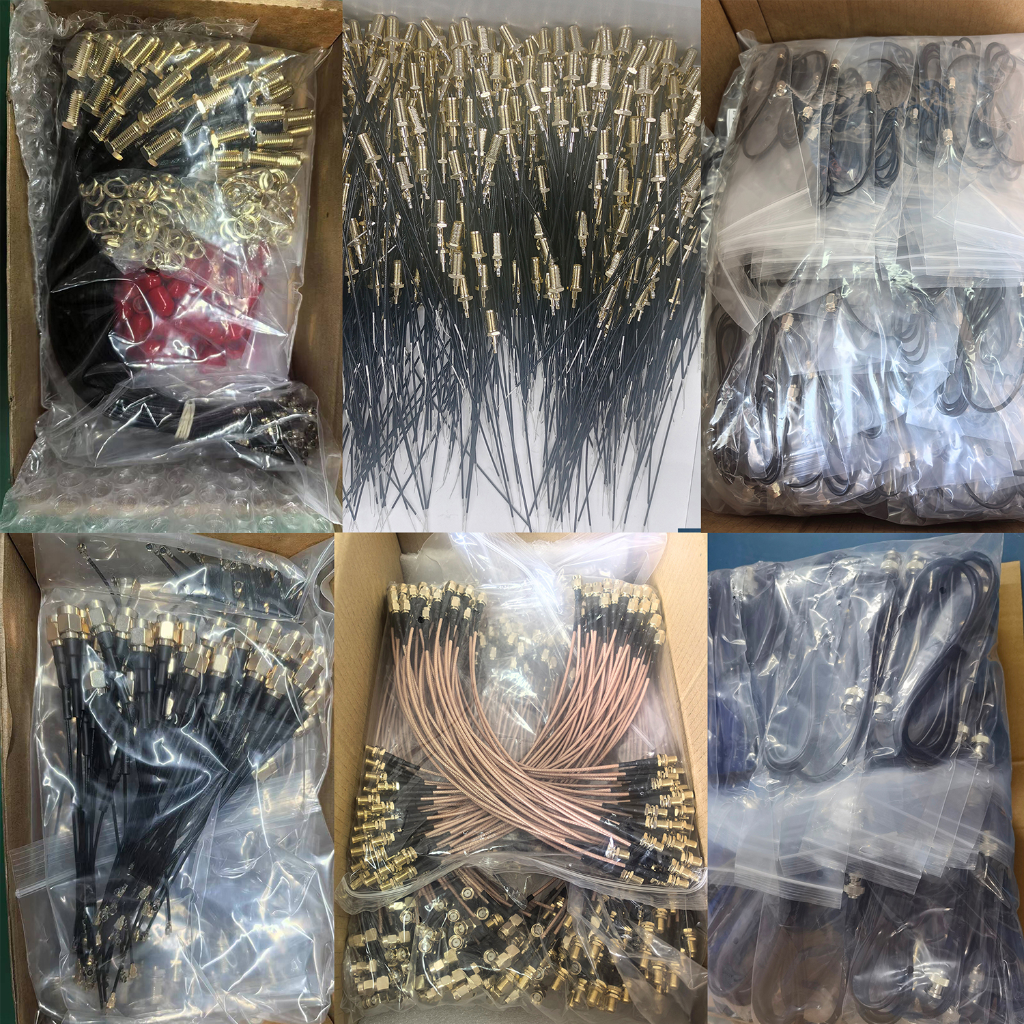
Let's think about the Total Cost of Ownership (TCO)4. The purchase price is just one small part of the equation. A cheap cable introduces many hidden costs that appear over the product's lifecycle. We have seen this happen many times. A customer tries to save a few dollars per unit on the cable. Then, months later, they are dealing with angry end-users, expensive product returns, and a damaged reputation.
The True Cost of a "Cheap" Cable
What are you really paying for when you buy a cheap cable?
- Troubleshooting Time: When a system fails, your engineers have to spend hours, or even days, finding the problem. Labor is expensive, and this is a complete waste of skilled resources.
- System Downtime: For a business, a down network means lost revenue. For a critical communication system, it can be a safety issue. The cost of failure is almost always higher than the cost of a good cable.
- Replacements & Repairs: You will have to replace the failed cable. This means buying a new cable and paying for the labor to install it all over again. You end up paying twice.
- Reputation Damage: If you sell a product with a faulty component, your customers will lose trust in your brand. This long-term damage is the most expensive cost of all.
Investing in a quality cable from a reliable manufacturer like us eliminates these risks. Our strict process—from incoming material inspection to final performance testing and 48-hour salt spray test3s—is designed to deliver consistency and reliability. We provide our test reports and videos to you so you have complete peace of mind. You know exactly what you are getting. The slightly higher price is for that certainty.
| Cost Factor | High-Quality Cable | "Cheap" Cable |
|---|---|---|
| Upfront Price | Higher | Lower |
| Performance | Reliable, meets specs | Unpredictable, high loss |
| Failure Rate | Very Low | High |
| Hidden Costs | None | High (labor, downtime, returns) |
| Total Cost | Lower | Much Higher |
Conclusion
Choosing a quality 50 ohm cable is not an expense. It is an investment in your project's reliability, your product's performance, and your company's reputation. Don't let a cheap component compromise your entire system.
Learn why CCA is a less effective material for conductors and how it impacts signal quality. ↩
Understand the impact of cable quality on signal attenuation and overall system performance. ↩
Discover how this test simulates corrosion and ensures cable durability and reliability. ↩
Learn why considering TCO is crucial when choosing cables to avoid hidden costs and failures. ↩