Struggling to budget for your next project? GNSS antenna prices seem unpredictable. Get the clarity you need to plan your procurement effectively for the year 2026.
In 2026, GNSS antenna prices will range from under $1 for simple patch antennas to over $500 for high-precision, multi-band models. Key factors include supported satellite systems, materials, and required accuracy levels. This guide provides a detailed breakdown for your reference.
Understanding this wide price range is just the beginning. As a manufacturer with over 17 years of experience, I've seen how many factors influence the final cost. The price depends on the satellite systems it needs to support and the changing costs of materials and labor. This means we often rely on historical averages to make estimates. Let's break it down further so you can make an informed decision for your specific needs.
What's the Price Range from Entry-Level to High-Precision GNSS Antennas?
Need a basic antenna or a high-precision one? The price difference is huge. Don't overspend on features you don't need or under-spec your critical applications.
Entry-level internal patch antennas can be under $1. Mid-range external antennas for vehicles cost $5-$20. High-precision, multi-band survey-grade antennas can cost from $100 to over $500, depending on their features, materials, and certifications.
The price of a GNSS antenna is tied directly to its complexity and application. Not all antennas are created equal, and the cost reflects this. For my customers, the first step is always to define what level of performance they actually need. An expensive antenna isn't always the best one if its features go unused. We can group antennas into three main pricing tiers based on their typical use cases.
Tier 1: Entry-Level Antennas
These are the most basic and affordable options. They are perfect for consumer electronics where good-enough positioning is acceptable. Think of simple asset trackers or shared bikes. These antennas are almost always internal ceramic patch antennas that only support a single frequency band, like GPS L1. Their cost is low because the design is simple and they are mass-produced in huge quantities.
Tier 2: Mid-Range Antennas
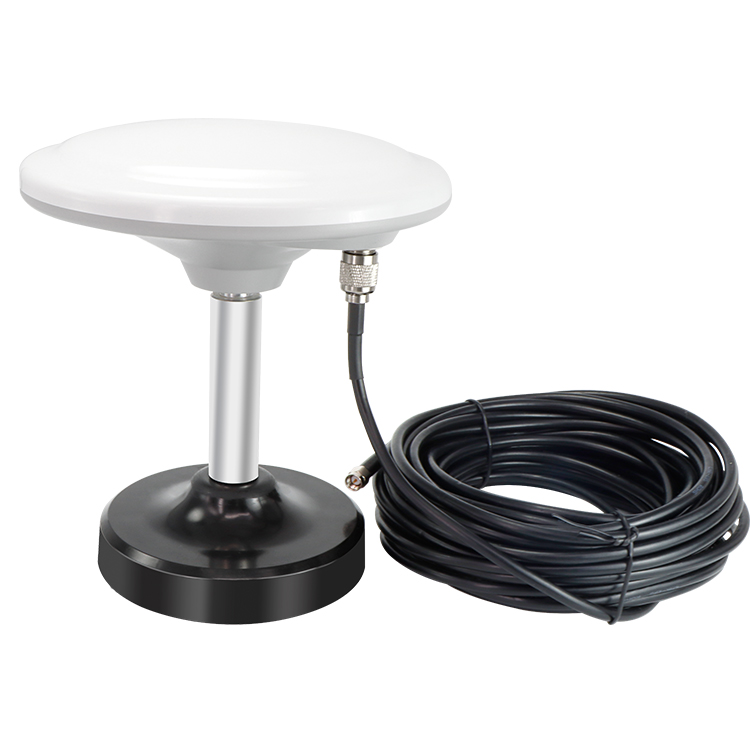
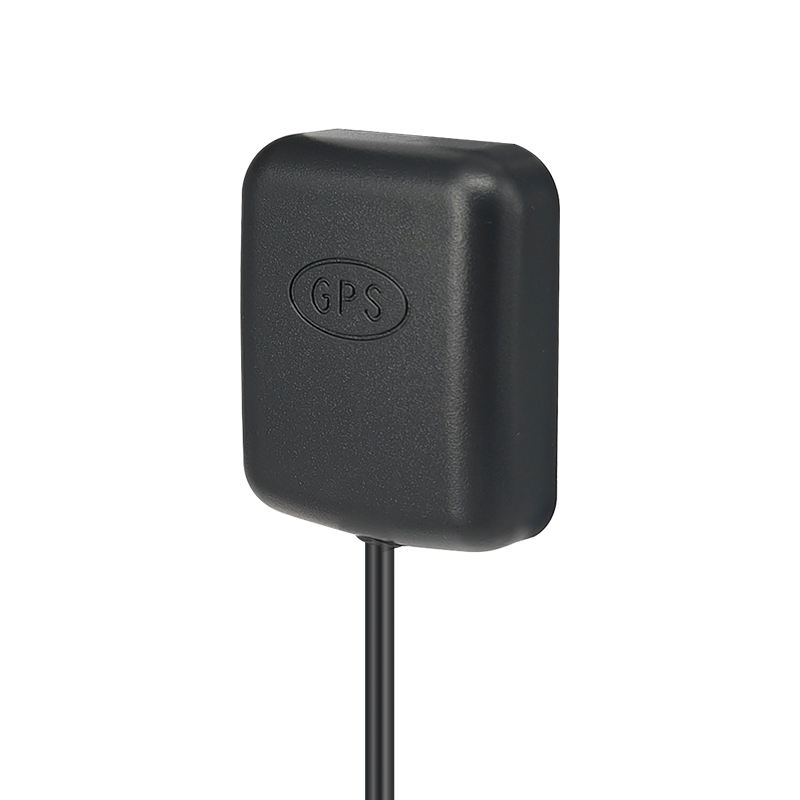
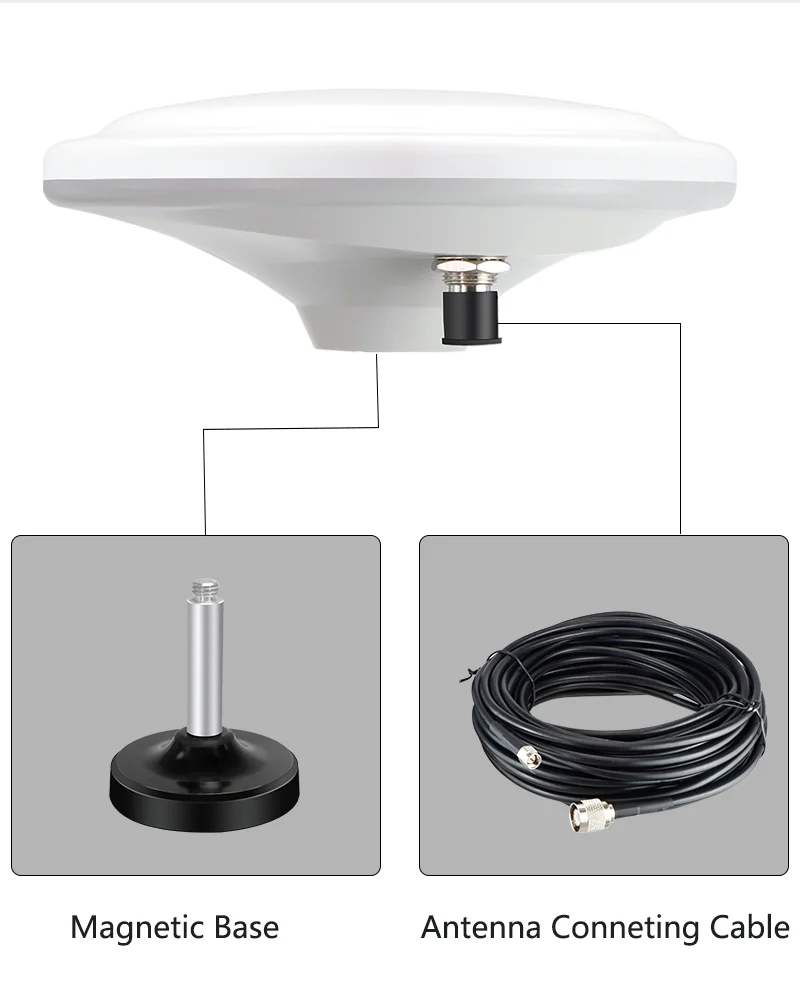
This category covers a wide range of applications, from vehicle navigation to IoT devices. These antennas are often external, with magnetic or adhesive mounts for easy installation. They might support two or three satellite systems (like GPS, GLONASS, and BeiDou) on the L1 band. The cost is higher due to the addition of a housing, cable, and connector, which adds material and labor costs.
Tier 3: High-Precision Antennas
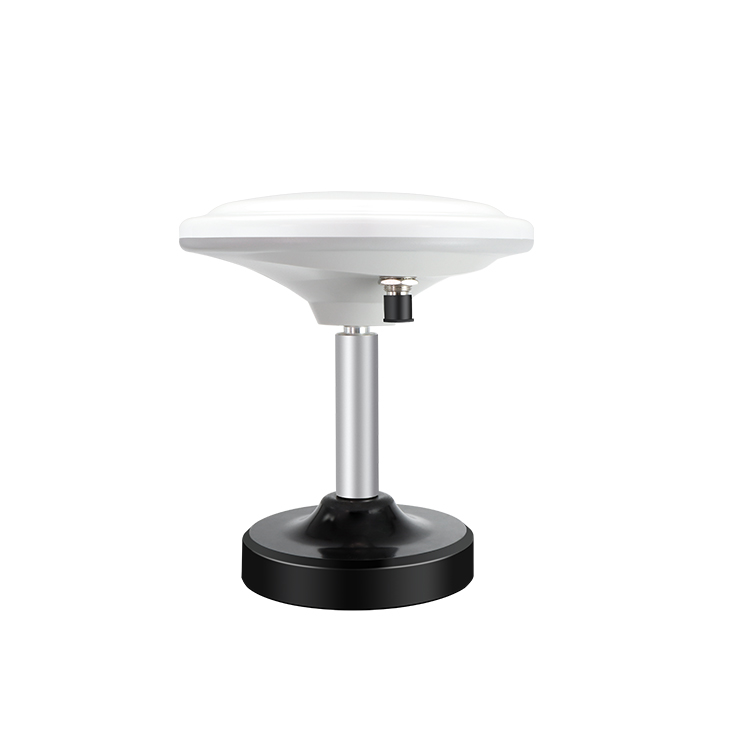
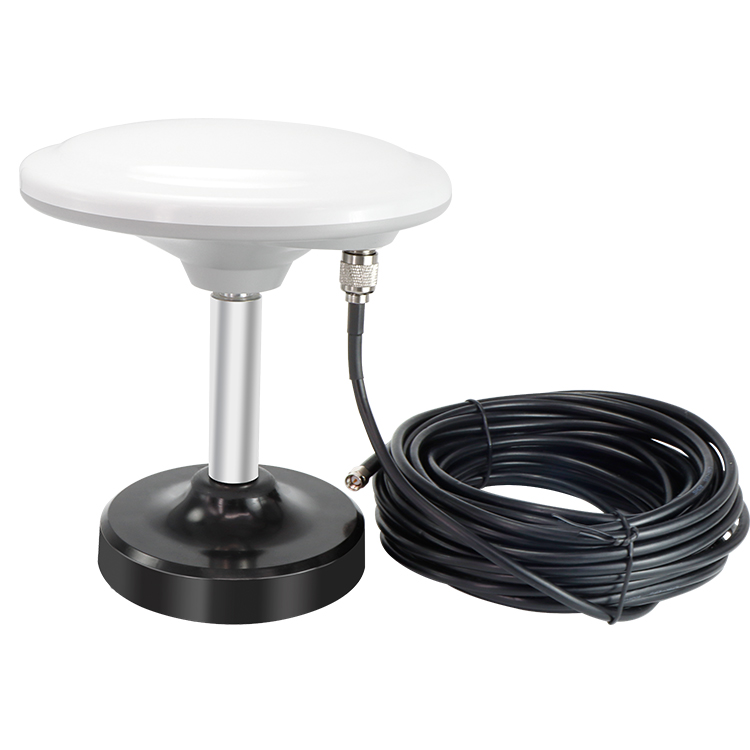
These are the most expensive and advanced antennas. They are used in surveying, precision agriculture, and autonomous vehicles. These antennas support multiple frequency bands (L1, L2, L5) from all major satellite constellations. This multi-band capability is crucial for achieving centimeter-level accuracy. The high cost comes from complex designs, expensive ceramic materials, and rigorous testing to ensure a stable phase center and high performance.
| Antenna Type | Typical Application | Key Features | Estimated 2026 Factory Price |
|---|---|---|---|
| Internal Patch Antenna | Consumer Electronics, Basic Trackers | Single-band (L1), Small size | $0.50 - $2.00 |
| External Mount Antenna | Vehicle Telematics, IoT Gateways | Single-band, IP67 housing, Cable/Connector | $5.00 - $20.00 |
| High-Precision Antenna | Surveying, Autonomous Systems | Multi-band (L1/L2/L5), High gain, Stable phase center | $100 - $500+ |
How Do Multi-Band and High-Accuracy Features Impact GNSS Antenna Costs?
Wondering why some GNSS antennas are so expensive? Multi-band support and high accuracy are key cost drivers. Understanding this helps you justify your budget or find alternatives.
Adding multi-band support (like L1/L2/L5) and high-accuracy features requires more complex designs, advanced materials, and stricter testing. This can increase the antenna cost by 5 to 20 times compared to a simple single-band L1 antenna.
When a customer asks me why one antenna is $10 and another is $200, the answer usually involves multi-band capability and precision. A simple GPS antenna just needs to hear one signal. A high-accuracy antenna needs to listen to multiple signals from the same satellite to correct errors and achieve precision. This is a much harder engineering challenge and directly impacts the manufacturing cost.
The Challenge of Multi-Band Design
A single-band antenna is like a simple radio tuned to one station. A multi-band antenna needs to be tuned to several stations at once, clearly and without interference. To achieve this, we often use a technique called "stacking." This involves placing multiple ceramic patch antennas on top of each other, with each layer designed for a different frequency band (like L1, L2, and L5). This stacking requires very precise manufacturing and adds significant material cost.
The Pursuit of a Stable Phase Center
For high-accuracy applications, the antenna's "phase center" must be extremely stable. The phase center is the precise point in space where the satellite signal is measured. If this point appears to move as satellites change position in the sky, it introduces errors. High-precision antennas use special ceramic materials and a ground plane design to keep this phase center stable. These materials are more expensive, and the design requires more R&D investment, adding to the final price. The antenna must perform identically, no matter which direction the signal comes from.
What Technology and Supply Chain Factors Drive GNSS Antenna Prices?
Antenna prices fluctuate beyond just features. Supply chain issues and new tech can change costs unexpectedly. Knowing these factors helps you anticipate price changes and negotiate better.
Raw material costs, especially for ceramics and copper, are major drivers. Labor costs, shipping logistics, and currency exchange rates also play a big role. Technological shifts, like new chipset requirements, can also influence antenna design complexity and price.
As a manufacturer in Shenzhen, I deal with these factors every day. An antenna's price isn't just about its design; it's about the entire ecosystem required to build and deliver it. My customers in Europe and the Americas are often surprised by how these behind-the-scenes costs can affect their quotes. It's a key part of the pricing I provide.
Raw Material Volatility
The core of a GNSS antenna is the ceramic patch. The price of the specialized ceramic powder can change based on global supply and demand. Similarly, the copper used in the antenna's internal components and in the RF cables is a commodity with a fluctuating market price. Even the plastic for the housing can see price swings. When these costs go up, we have to adjust our pricing.
Labor and Manufacturing Costs
Our factory has a team of skilled engineers and production line workers. Labor costs in Shenzhen have been rising steadily. To stay competitive, we invest in automation and process improvements. However, skilled labor for quality control and testing is still essential and is a significant part of the cost, especially for more complex high-precision antennas that require more manual inspection.
Logistics and Global Trade
The cost to ship products from our factory in China to a customer in the USA or Germany is another major factor. Freight costs can change dramatically due to fuel prices, container availability, and global events. Additionally, tariffs and trade policies between countries can add a percentage to the final cost. We work with our customers to find the most efficient shipping methods to help manage these expenses.
How Can You Choose a Cost-Effective GNSS Antenna in 2026?
Choosing the right antenna feels complex. You want performance without overpaying. We can simplify the process to find the perfect balance of cost and function for your device.
First, define your required accuracy and supported satellite systems (GPS, GLONASS, etc.). Don't pay for multi-band if you only need L1. Consider the operating environment to choose the right housing. Finally, work with a manufacturer for customization options.
Over the years, I've helped hundreds of clients select the right antenna. The most common mistake I see is paying for performance they don't need. A cost-effective choice is not always the cheapest one; it's the one that meets all your requirements for the lowest possible price. Following a structured process helps avoid this.
Step 1: Define Your Core Needs
What is the most important function of your device? If it's a simple tracker, you likely only need L1 GPS with 5-10 meter accuracy. There's no need for a multi-band antenna. If you're building a surveying tool, you absolutely need multi-band (L1/L2/L5) support for centimeter-level accuracy. Be honest about your minimum requirements.
Step 2: Consider the Environment
Where will the antenna be used? An antenna inside a plastic consumer device can be a simple internal patch. A device on the roof of a truck needs a rugged, waterproof (IP67-rated) external antenna. The housing and mounting style add cost, so choose what is necessary for your product to survive in its environment.
Step 3: Evaluate Customization
Do you need a specific cable length or connector type? As a manufacturer, we offer these customizations. Sometimes a slightly customized off-the-shelf antenna is much cheaper than a fully custom design. For example, changing the cable length on an existing model is a simple, low-cost modification. Talk to your supplier about these options. We offer flexible OEM/ODM services to meet these needs.
Step 4: Think About Volume
Your order quantity has a huge impact on the unit price. A prototype order of 10 pieces will have a much higher per-unit cost than a production order of 10,000 pieces. When you request a quote, provide your estimated annual volume. This helps us provide the most accurate and competitive pricing.
Conclusion
Planning your 2026 GNSS antenna budget is now clearer. Focus on your specific needs, understand the cost drivers, and partner with a reliable manufacturer for the best value.