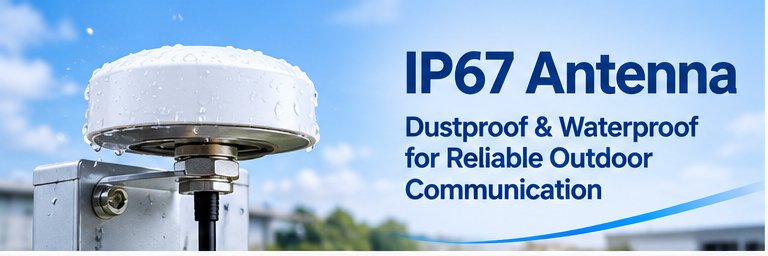
Outdoor wireless communication demands antennas that withstand harsh environmental conditions. IP67 antennas, with their dustproof and waterproof features, are ideal for reliable connectivity in challenging outdoor scenarios. Let’s explore why IP67-rated antennas are indispensable for outdoor applications and how they ensure consistent performance in tough weather conditions.
An IP67 antenna features complete protection against dust ingress and temporary submersion in water up to 1 meter deep for 30 minutes. This waterproof and dustproof rating makes it highly suitable for harsh outdoor environments where exposure to rain, condensation, and dust is inevitable.
From industrial IoT applications to 4G, 5G, and WiFi systems, IP67-rated antennas provide unmatched durability. Below, I’ll break down their design and performance benefits to guide your selection process.
What Is an IP67 Antenna? Understanding Waterproof Protection for Outdoor Use
Outdoor antennas face challenges like rain, humidity, and dust. Waterproofing and dustproofing are essential.
An IP67 antenna is specifically rated to resist dust and survive temporary water submersion. This protection enables its reliable performance even during storms or dusty conditions.
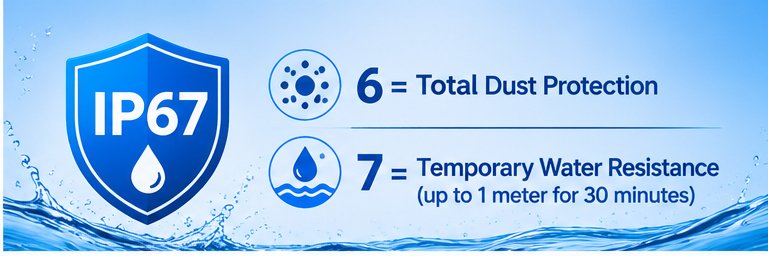
The IP67 rating comes from the IEC standard 60529, which evaluates the intrusion of solids and liquids into electrical enclosures. Here's what each digit means:
- 6: Total dust protection, preventing particle ingress entirely.
- 7: Temporary water resistance, withstanding immersion up to 1 meter for 30 minutes.
This combination makes IP67-rated antennas suitable for outdoor use in environments that would degrade ordinary antennas.
IP67 Waterproof Antennas: How They Ensure Reliable Outdoor Wireless Communication
Rainstorms, condensation, and pollution can disrupt unprotected antennas. IP67 solves these problems.
IP67 waterproof antennas maintain stable wireless connections by shielding internal components from rain, water splashes, and dust. This ensures uninterrupted communication for outdoor systems.
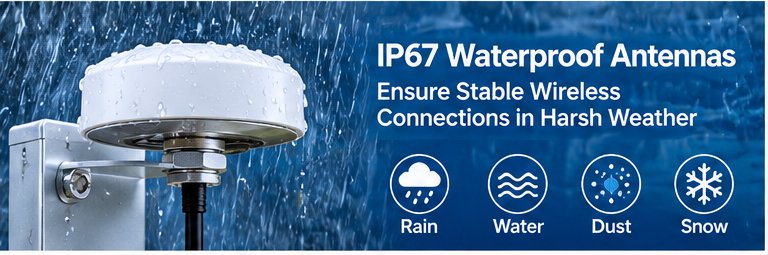
These antennas are sealed to prevent moisture from corroding critical parts, which could lead to signal loss. When paired with proper installation practices (e.g., watertight connectors and outdoor-rated cables), IP67 antennas thrive even in the most volatile conditions.
Why Choose an IP67-Rated Antenna for Harsh Outdoor Environments?
Outdoor systems like base stations, IoT devices, and routers demand rugged antennas. IP67 stands out.
IP67-rated antennas outperform standard models in extreme conditions like heavy rain, humidity, and dust storms, ensuring system uptime and longevity.

Benefits include:
- Weather resistance: Effective against rain, splash, dust, and humidity.
- Longevity: Reduced corrosion and wear prolongs antenna lifespan.
- Reliable performance: Stable signal even after prolonged exposure to tough environments.
If you operate wireless systems in desert, coastal, or high-humidity areas, IP67 antennas are non-negotiable.
IP67 vs. IP65 Fiberglass Antennas : Which Waterproof Rating Is Better for Outdoor Applications?
When evaluating waterproof ratings, every digit matters.
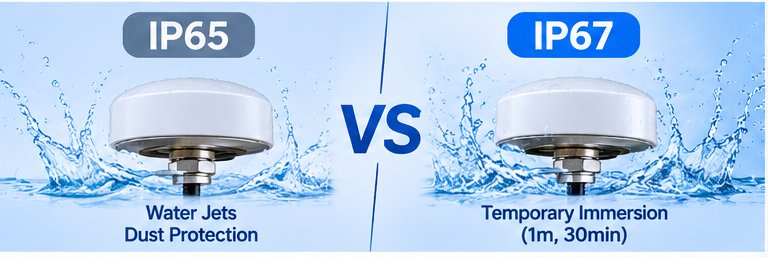
IP65-rated antennas resist water jets and dust, while IP67 antennas offer superior dust tightness and temporary submersion resistance. In extreme conditions, IP67 is the better option.
Key Differences:
| Feature | IP65 Antenna | IP67 Antenna |
|---|---|---|
| Dust Protection | Partial | Complete |
| Waterproofing | Water jets | Temporary immersion |
| Ideal Use Cases | Light rain, dust | Weather extremes, industrial |
For unpredictable outdoor environments, IP67’s higher dustproof and waterproof capabilities ensure uninterrupted performance.
How Does IP67 Protection Improve Outdoor Antenna Performance and Durability?
Environmental exposure wears out ordinary antennas, reducing connectivity.
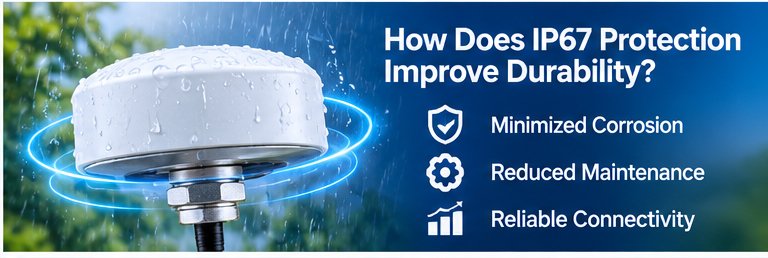
IP67 protection guards antennas against wear caused by dust, water, and contaminants, enabling consistent performance and durability even after years outdoors.
Key improvements:
- Minimized corrosion: Waterproof materials shield internal components.
- Reduced maintenance: Endures rough conditions without frequent repairs.
- Reliable connectivity: Prevents signal degradation caused by external factors.
Dependability is vital when antennas support mission-critical systems like IoT or emergency response networks.
A Complete Guide to Waterproof antennas for Outdoor Wireless Communication
Antennas vary in waterproof ratings and designs.
Waterproof antennas range from IP65 to IP68, catering to diverse outdoor wireless needs like IoT networks, 5G base stations, and vehicle tracking systems.
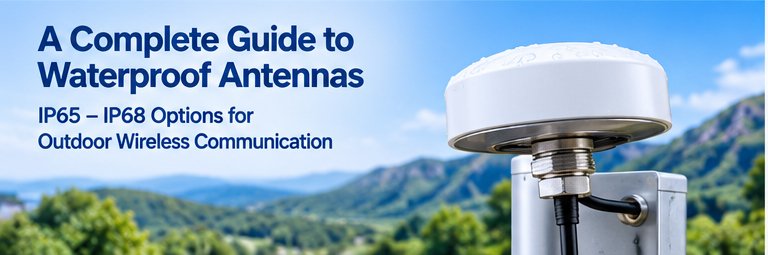
The IP67 rating strikes a balance between affordability and rugged durability, while IP68 provides even greater waterproofing. Choosing the right option depends on the severity of your local climate.
Frequently Asked Questions
What does an IP67 antenna protect against?
An IP67-rated antenna offers complete protection against dust ingress and temporary water submersion (up to 1 meter for 30 minutes). These features ensure reliable outdoor performance in challenging environments.
Can IP67 antennas handle heavy rainfall?
Yes, IP67 antennas are built to withstand heavy rain and splashes. They maintain signal reliability and protect internal components from moisture damage.
Where are IP67-rated antennas commonly used?
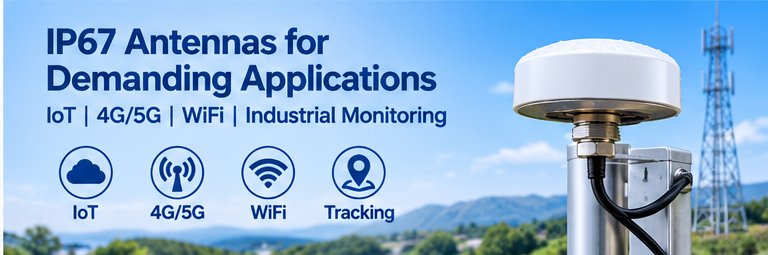
IP67-rated antennas are ideal for outdoor communications, including IoT systems, industrial monitoring, 4G/5G base stations, and vehicle tracking in harsh weather.
Conclusion
IP67-rated antennas are tailored for rugged outdoor applications, offering industry-leading protection against dust, water, and environmental wear. Their superior reliability ensures stable wireless communication for IoT devices, 5G networks, and beyond. If you need antennas that thrive in harsh weather, consider IP67-rated options. Contact us today to explore customizable IP67 antenna solutions for your applications.