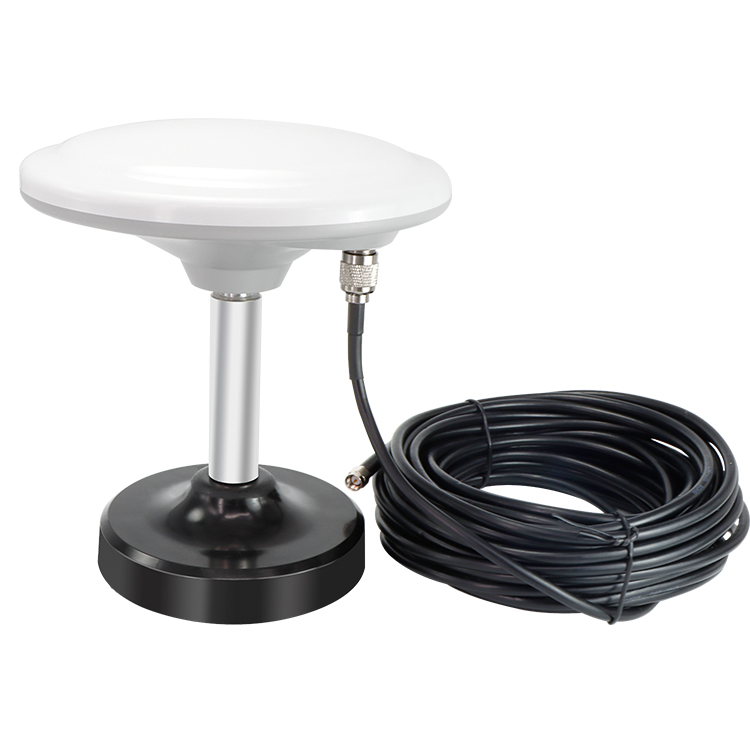
When sourcing custom antenna manufacturing, buyers often focus on achieving optimal performance at the best possible price. Factors like frequency band, materials, structure, connectors, craftsmanship, production volume, and testing requirements all play critical roles in determining cost and performance outcomes. Navigating these considerations wisely ensures a balanced approach that meets technical and budgetary needs.
Custom antenna manufacturing depends on seven key factors: frequency band, materials, structure, connector type, manufacturing process, order quantity, and testing requirements. Each of these directly impacts both the cost and performance of the antenna.
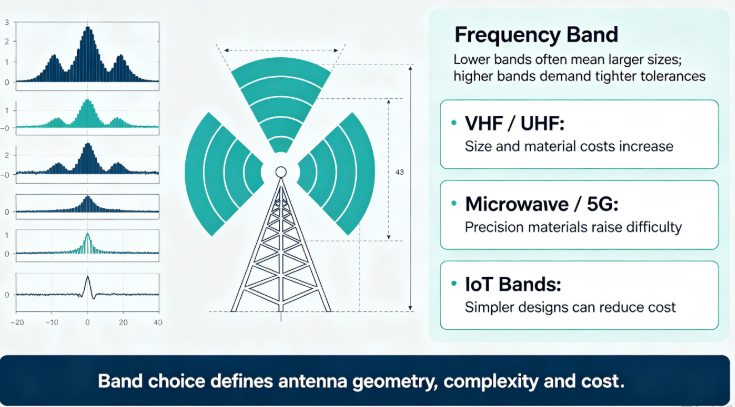
Understanding these variables is the first step in designing antennas that align with your needs. Let’s explore how each factor influences the manufacturing process, pricing, and quality.
Frequency Band: How does it impact cost and performance?
Selecting an antenna’s frequency band is foundational to its design. Get it wrong, and the antenna won’t perform optimally.
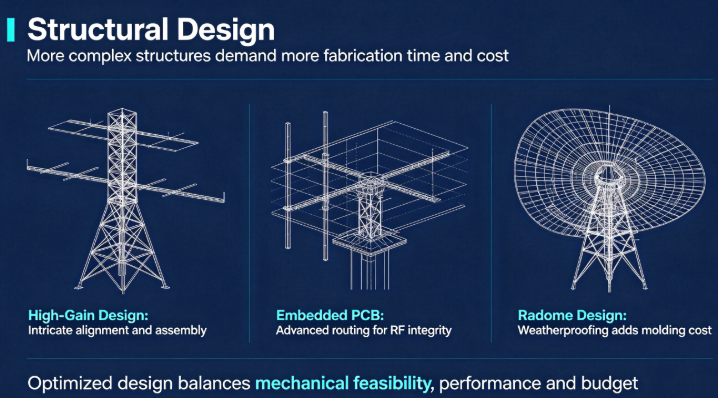
The frequency band determines the antenna’s size, shape, and internal structure, which heavily influences material selection and manufacturing complexity. Higher-frequency antennas generally require tighter tolerances and higher-grade materials, driving up costs.
Dive deeper into frequency band effects:
Antennas operating in different frequency ranges—such as VHF, UHF, or microwave—face different mechanical and electrical challenges. For example:
- Lower-frequency bands often require larger antennas, increasing material costs.
- Higher-frequency bands, such as in 5G applications, may demand specialized RF materials with exacting tolerances, increasing production difficulty.
- RF performance parameters like gain, radiation pattern, and efficiency must also align with the device’s operating band.
To illustrate the point, antennas for IoT devices like LoRaWAN sensors can cost less due to simpler designs, while precision antennas for satellite communications incur more expense due to strict performance demands.
Material Selection: Why does it matter?
Antenna materials are the backbone of design—more lightweight, stable, or conductive materials can either enhance performance or impact costs.
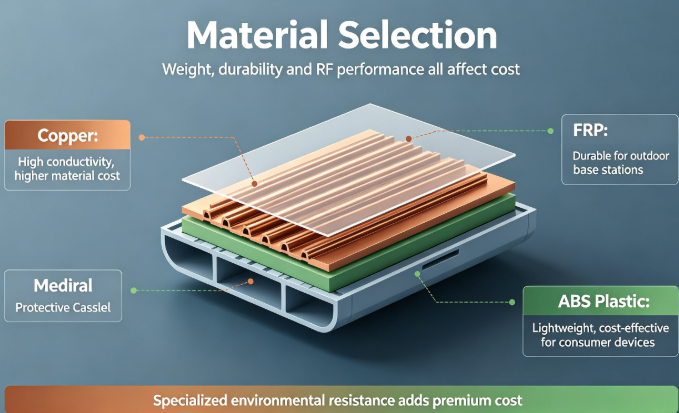
Using specialized materials affects the antenna’s weight, durability, and RF performance, but these premium materials add to manufacturing costs. Balancing material quality with application requirements is key.
Dive deeper into material considerations:
Common materials include:
- Copper for excellent conductivity but higher material costs.
- FRP (fiberglass) for durable outdoor antennas, ideal for base stations.
- ABS plastics for consumer antennas requiring cost-effective casings.
Additionally, for antennas in rugged environments—such as industrial IoT or automotive applications—environmental resistance is critical. These may call for corrosion-resistant alloys or UV-treated plastics, which could significantly raise production costs.
Structural Design: What defines antenna build complexity?
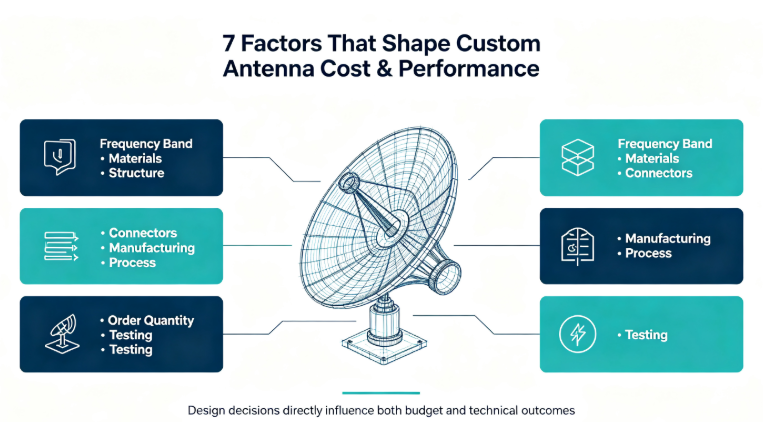
The structural design determines how the antenna integrates with your device or application. High-performance antennas often push structural limitations to achieve efficiency.
Complex structures increase costs due to both material requirements and extended fabrication time. However, well-optimized designs can enhance performance without overburdening budgets.
Dive deeper into design intricacies:
Structural considerations include:
- High-gain designs, such as Yagi antennas, that require intricate alignment and assembly.
- Embedded antenna designs for small IoT devices, which often demand advanced PCB routing to preserve RF integrity.
- Radome designs for weatherproof industrial antennas, driving up molding and finishing costs.
Striking the right balance between mechanical feasibility, cost-efficient manufacturing, and RF performance parameters is an iterative process.
Connector Type: Where do costs vary?
The connector is a small but critical component. Its design and quality can affect both antenna usability and end-device reliability.
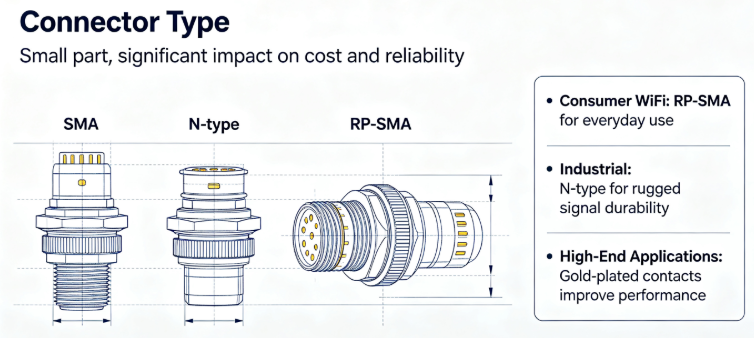
Connector choices—from SMA, N-type, to RP-SMA—affect manufacturing costs. High-quality, gold-plated connectors may benefit performance but increase the overall price. Custom cable lengths add additional complexity.
Dive deeper into connector considerations:
- By industry:
- Consumers often demand RP-SMA for WiFi applications.
- Industrial users might prefer N-type connectors for signal durability.
- By technical design:
- Impedance matching: Ensuring connectors minimize VSWR (voltage standing wave ratio) losses is critical for high-end applications.
- Durability rating: Rugged connectors for outdoor antennas incur extra cost due to weatherproof construction.
Manufacturing Process: How does craftsmanship affect pricing?
The complexity and precision of the production process shape how economically antennas can be manufactured.
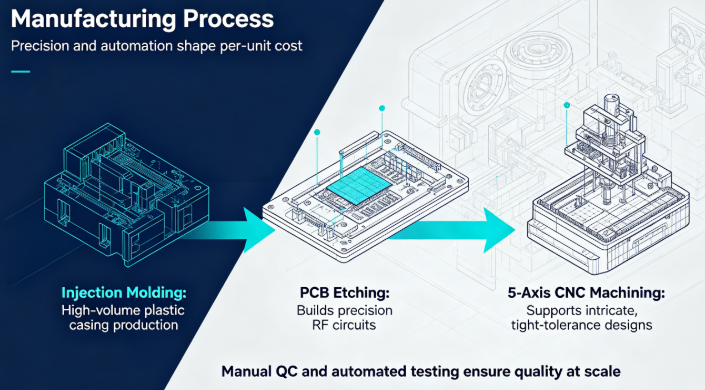
Processes like injection molding, PCB etching, and soldering determine costs. High-tech processes, such as 5-axis milling, raise costs while enabling intricate designs with sharper tolerances.
Dive deeper into manufacturing considerations:
Production methods impact scalability:
- Injection molding enables mass production of plastic casings.
- CNC machining supports specialized designs requiring high precision.
- Antennas with proprietary radial patterns often incorporate both manual QC and automated testing, balancing performance assurance with scalability.
The takeaway here is clear: economies of scale play heavily into per-unit pricing.
Order Quantity: Does scaling production reduce costs?
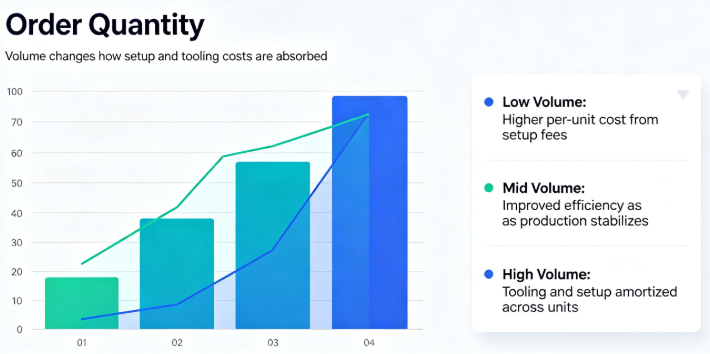
The volume you procure directly aligns with cost efficiency. Bulk reductions per unit mostly stem from shared tooling and production setups.
Smaller orders entail higher per-unit costs due to setup expenses. Meanwhile, larger quantities amortize many production fees but require upfront financing.
Dive deeper into bulk order advantages:
- Low MOQ (minimum order quantity) manufacturers support prototype volumes, although scaling options may be limited to small testing batches.
- Larger production runs must negotiate delivery timelines and customized packaging alongside order setups.
- Data from one industry report suggests bulk orders reduce per-unit antenna costs by nearly 12–30% depending on labor and material inputs.
Testing and Certifications: Why are compliance costs significant?
Testing remains an essential part of antenna performance validation, especially for regulatory compliance in export markets.
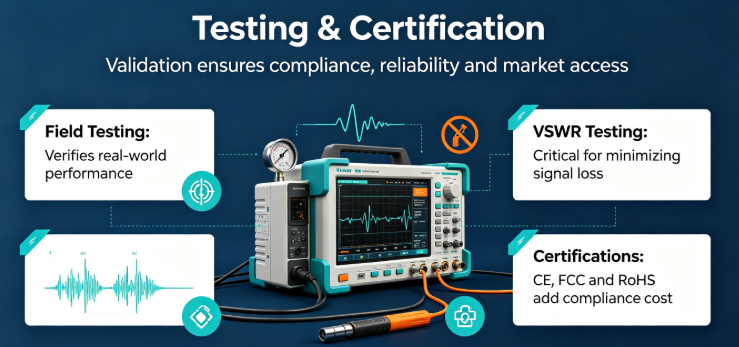
Field testing, signal checking, and certifications like CE, RoHS, or FCC approval add labor and documentation expenses but ensure reliability and compliance.
Dive deeper into certifications:
Key certifications include:
- FCC clearance for U.S.-bound antennas.
- CE marking for European markets.
- Specialized parameters for custom needs, such as VSWR testing below 1.5 in critical frequencies.
Working with partners familiar with such processes prevents unnecessary delays or failures during export.
Frequently Asked Questions
Are custom antennas more expensive than off-the-shelf options?
Yes, custom antennas are generally pricier due to tailored design and testing requirements. However, they often deliver higher performance and compatibility for specialized devices.
Can custom antennas be optimized for multiple frequency bands?
Yes, multi-band antennas are possible but add design complexity. These often involve dual-polarized or segmented structures.
How long does custom antenna manufacturing take?
Lead times vary—simple prototypes may take weeks, while fully customized solutions often require months of design, testing, and certification.
Conclusion
Custom antenna manufacturing hinges on seven key factors: frequency band, materials, structural design, connectors, production processes, order quantities, and testing. Understanding each variable allows buyers like you to optimize for cost-efficiency and performance. Partnering with an experienced manufacturer ensures seamless execution and reliable outcomes.
Ready to explore tailored antenna solutions? Contact us today for consultation and quotes!